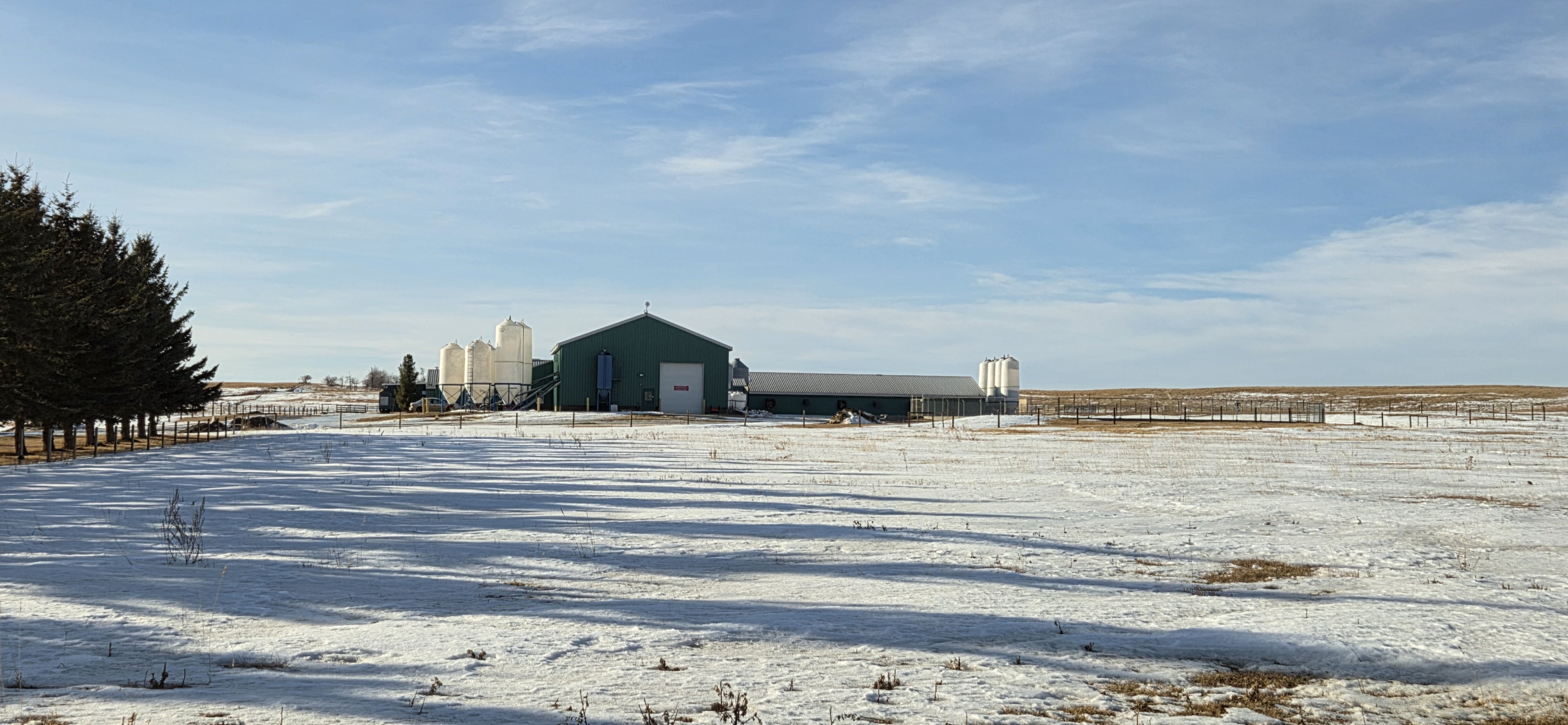
The proposed closure of Agriculture Canada’s research station in Lacombe will create a huge hole in pork and hog research, said Alberta Pork’s head of Quality Assurance.
The central Alberta research station has long focused part of its research on livestock, meat, meat quality and improvements that benefit farmers and the industry.
“That centre is the biggest centre in Canada for meat quality and food safety research. That is very important, not just for all of us, but for all of agriculture,” said Javier Bahamon.
“This is really going to affect us as we move along. We are relying on this kind of evaluation and research they did at the centre to make improvements or change protocols at the farm level,” he said.
“This is very hard for us, not just the human side for the scientists who received layoffs, but for industry and its competitiveness that will be stopped by losing that capacity there.”
In January the federal government announced it would be closing three Agricultural research and development centres and four satellite research farms. Research and development centres at Guelph, Ont., Quebec City, Que., and Lacombe, Alta., will close. Satellite research farms at Nappan, N.S., Scott, Sask., Indian Head, Sask. and Portage la Prairie, Man. will also close.
The 17 remaining research centres will remain open. There are no imminent site closure and the wind-down could take up to 12 months.
Bahamon said Alberta Pork has worked closely with other Alberta commodity organizations and federal hog and meat industry associations to raise concerns about the loss of the research centres.
“We are still in conversation. We want to know the plan going forward and how we can help the researchers to pursue their research. So far, what we know is the researchers received, not just a letter of layoff, but options they have so they can transfer themselves. They have one year to decide what they will do. We know it is closed. The facility is closed and it won’t be reopened. We are hopeful all of these researchers can be relocated in other facilities and they can continue the research they were doing in that facility. That is what we are trying to see and monitor what will happen in the next year.”
Bahamon said farmers and industry were excited about many innovations from the centre, especially meat grading research from Lacombe that showed how changes to grading could improve prices for Canadian pork overseas.
In a joint statement between the City of Lacombe and Lacombe County, the two groups said the closure of the 119 year old facility would have a massive impact on the community and agriculture research.
“Our concern is for the national consequence of losing publicly funded agricultural research capacity,” said Reeve John Ireland. “In a time of global uncertainty and trade volatility, Canadian competitiveness depends on research that supports producers, strengthens food systems and improves productivity. If capacity like this is dismantled, it is difficult and in some cases impossible to rebuild.”
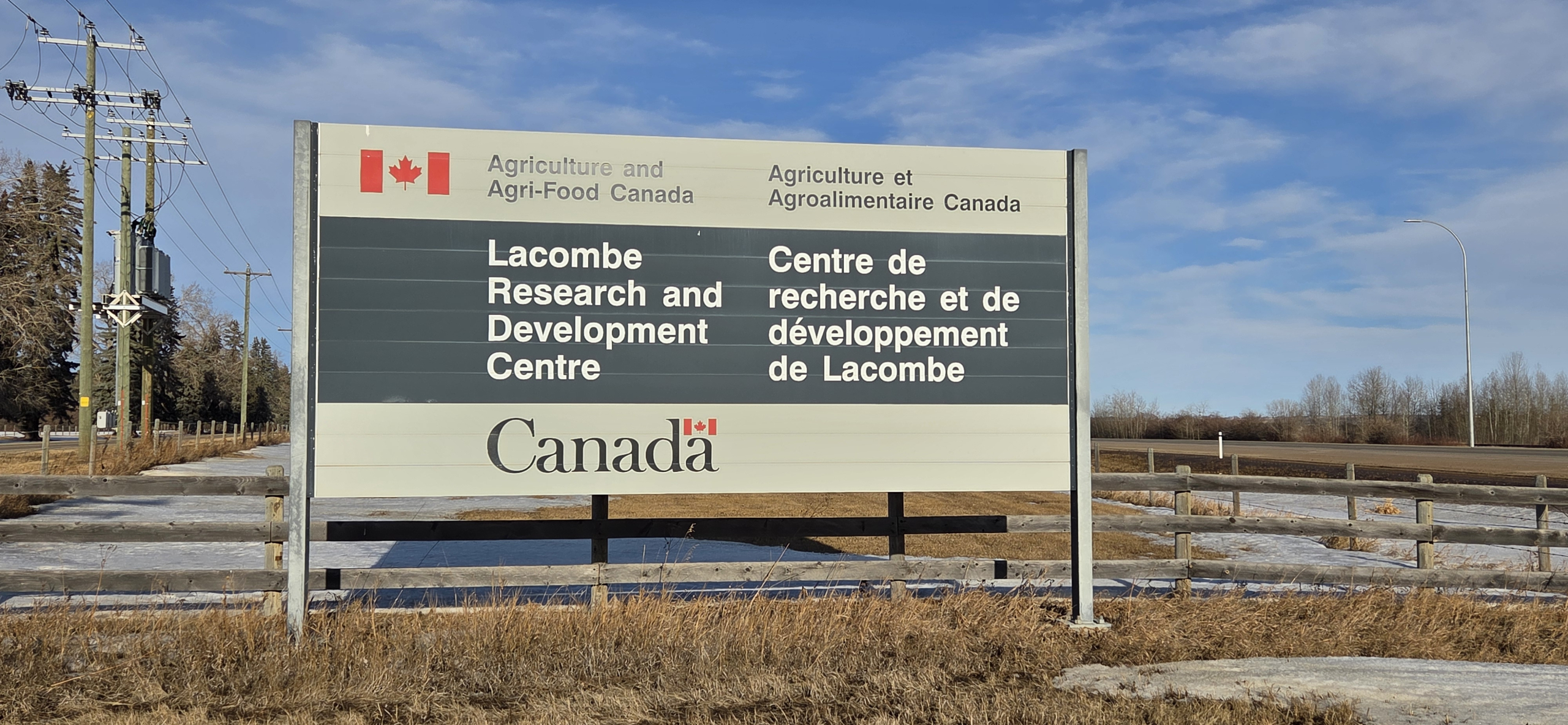
The Lacombe Centre is a unique centre because it focuses on multiple projects including disease resistance and monitoring, production efficiency, crop and livestock genetics and practical pathways that support a net-zero beef target, said the statement.
Retired pork producer Walter Preugschas said the closure of any of the research stations is unfortunate for farmers and the larger community.
“In order for agriculture to maintain its reputation around the world for quality and being competitive, we constantly need to have research. We need unbiased research done by the government. The unbiased type of research is really crucial to have.”
During the recent Banff Pork Seminar, Agriculture Canada scientist Nuria Prieto spoke to producers about her research looking at the risk of lowering internal cooking temperature for pork and how it will impact safety and eating quality. While her research is not in the hog barn, she said any improvements that encourage more consumption help producers.
“Research on the meat side that improves safety, quality and consumer satisfaction, benefits producers by increasing the amount of pork and the value of the pork,” she said of her research at the Lacombe station.
During the same session, Environmental Manager for Canada Packers said Canada can’t rely on research from other countries, but must continue to invest in Canadian research and our own unique climate and environmental needs.
Bahamon said all agriculture organizations will continue discussions with Agriculture Canada officials to ensure the research continues at other stations. •
— By Mary MacArthur