Erica Charlton, Director of the Emergency Management Division of Animal Health Canada, urged the public to become aware of and involved in the efforts to eradicate wild pigs from the environment.
Animal Health Canada chairs the African Swine Fever Executive Management Board, which includes representatives from federal, provincial, and territorial governments and the swine sector. This board supports developing and delivering strategies for African Swine Fever prevention, response planning, and preparedness.
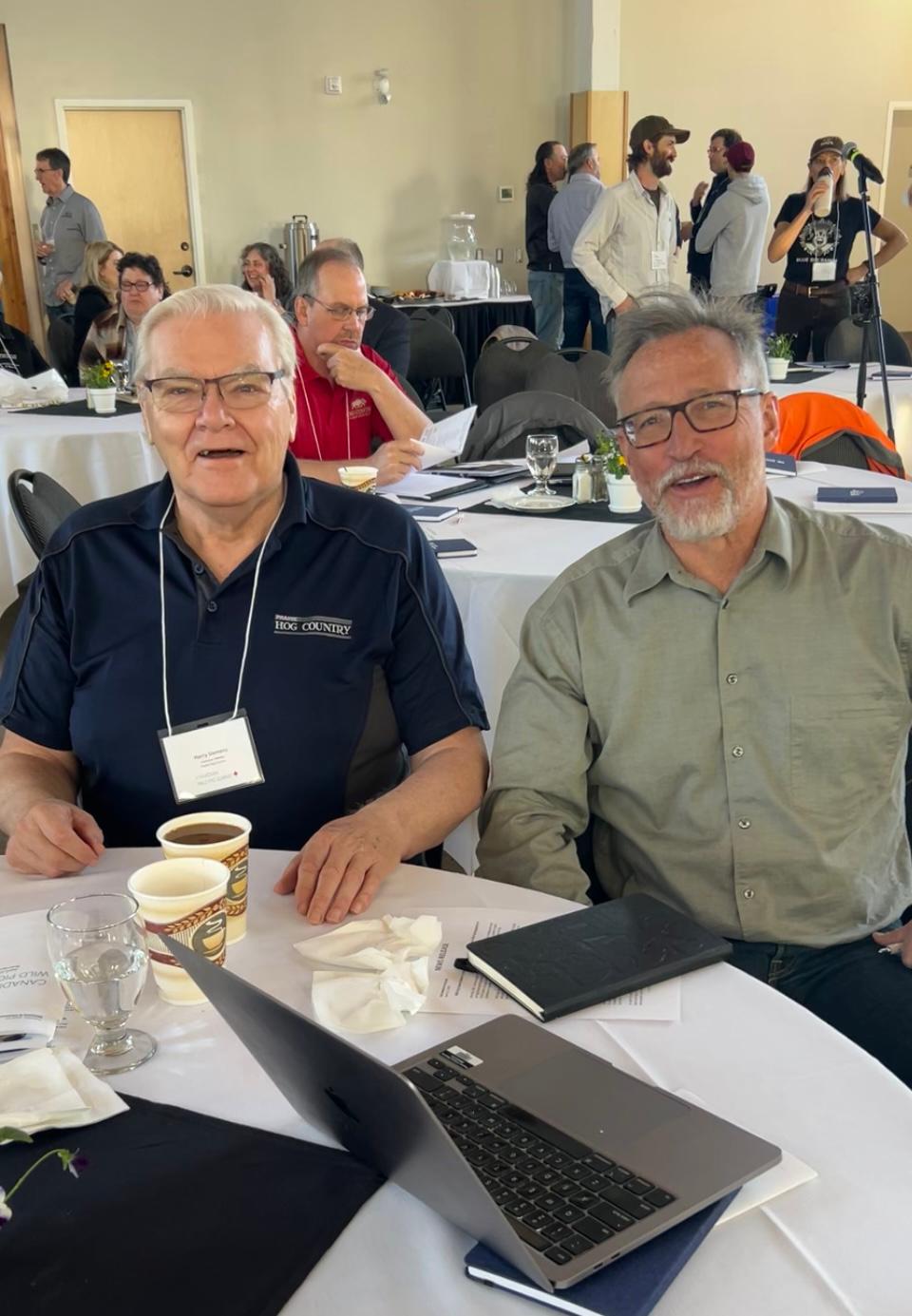
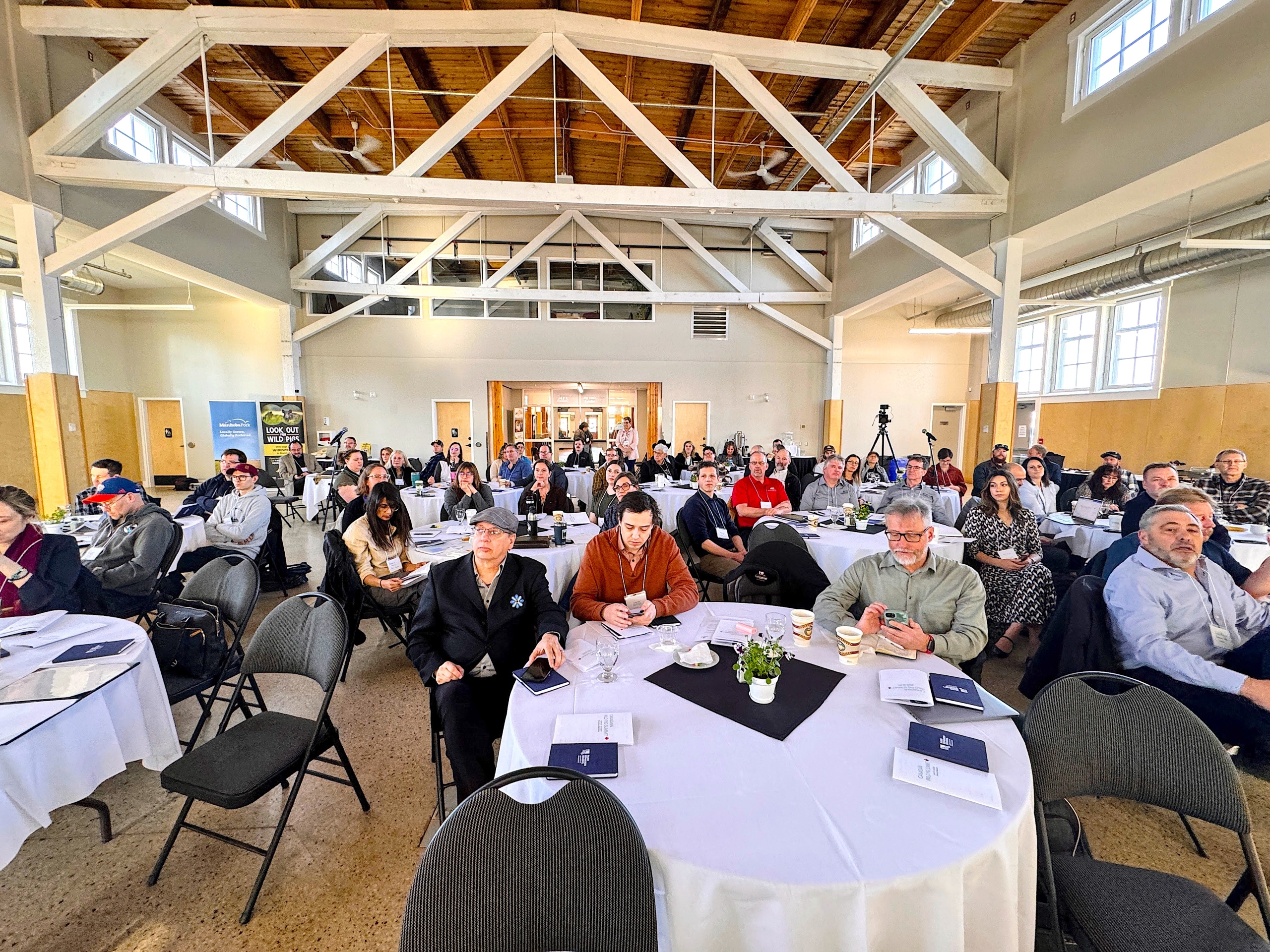
To raise awareness of the risks posed by wild pigs and to bring together stakeholders involved in addressing this issue, Animal Health Canada, in partnership with Assiniboine Community College, Squeal on Pigs Manitoba, and Manitoba Pork, hosted a three-day Wild Pig Summit in Brandon from April 22 to April 24. During the summit, participants discussed strategies and shared knowledge on managing and eradicating wild pigs effectively.
Charlton highlighted that while wild pigs are present across Canada, the prairie provinces are particularly affected. These invasive animals pose significant risks to agriculture and native ecosystems, making coordinated efforts crucial for their management and eradication.
“The wild pigs cause a lot of ground damage with their rooting and the foraging and disturbing crops and things like that, but the real risk is they’re carriers of African Swine Fever more than anything,” she said.
The World Organization of Animal Health said if someone finds a case of African Swine Fever in the country, whether in domestic pigs or feral pigs, there will be trade implications, and officials will close the borders.
Charlton expressed significant concern from the commercial sector regarding the risks posed by wild pigs. These animals threaten the environment and present potential dangers through the interface between wildlife and domestic animals. There is a particular worry about the possibility of transmitting diseases to commercial livestock, which underscores the need for vigilant management and eradication efforts. The environmental impacts of wild pigs are also a major concern, affecting both agricultural lands and natural ecosystems.
Charlton noted that while provinces have been working independently on wild pig management, the summit aimed to unify efforts, share knowledge, and learn from each other to create a cohesive national strategy. This collaboration brought all the right people together, built awareness, and educated them on what is happening in different jurisdictions regarding research, communications, and field tools.
“The ultimate goal is to eradicate wild pigs, supported by a 10-year strategy that needs thoughtful implementation,” she said.
Wild pigs are present across Canada, with hotspots in the prairie provinces, particularly outside Brandon, where established populations are breeding and thriving. There are reports of sightings in Ontario and British Columbia. The focus is on established populations because they grow and create significant risks.
Wild pigs cause significant ground damage through rooting and foraging, impacting crops and natural habitats. The primary concern is their role as carriers of African Swine Fever, which can lead to severe trade implications if detected in any pig population. If officials find African Swine Fever in a country, it results in trade restrictions for domestic or feral pigs. This poses a risk of disease transmission between wildlife, domestic animals, and commercial livestock, along with environmental impacts.
The summit highlighted progress in tracking and removing wild pigs, with significant efforts reported in Manitoba and Saskatchewan. Presentations indicated that sightings of wild pigs have decreased in some areas over the past five years, suggesting that control measures are making headway. Public reporting via the Squeal on Pigs hotline and website helps track and verify sightings.
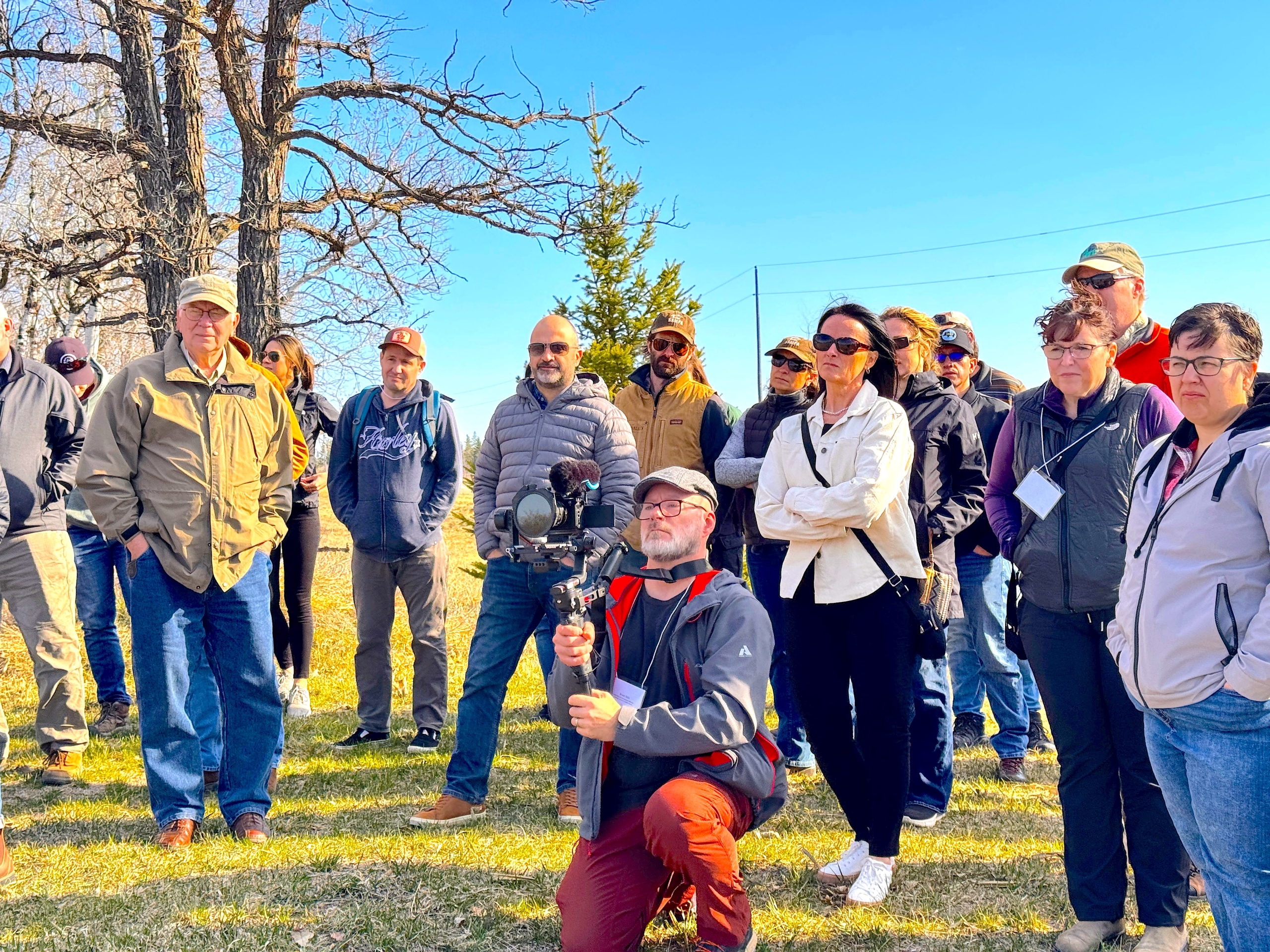
The 10-year wild pig strategy aims for eradication. The summit served as a kickoff for more coordinated national efforts, with plans to continue building awareness and stakeholder engagement. The African Swine Fever Executive Management Board, which has been active for five or six years, will continue its work, though its current funding expires at the end of March 2025.
Manitobans are encouraged to report wild pig sightings through the Squeal on Pigs Manitoba website or call the 1-833-SPOT-PIG hotline. Public participation is crucial for tracking and managing wild pig populations. Hunting wild pigs independently is discouraged, as it disperses populations and complicates trapping efforts. There are various resources and links on provincial government websites for reporting sightings and learning more about the initiative.
The summit began a more unified approach to wild pig management in Canada, emphasizing collaboration, public involvement, and strategic planning to protect livestock, crops, and natural habitats from the threats posed by these invasive animals. The strong turnout and active participation in the summit underscore the importance of ongoing dialogue and cooperation among all stakeholders.
Charlton suggested, “If you google “squeal on pigs,” you’ll find information on efforts in the various jurisdictions to address wild pigs and how to report sightings.” •
— By Harry Siemens