Pork producers hear the same message at every meeting: “You have a great story.” But who’s telling it, and to whom?
A professional foodie from Edmonton is spreading the news to his online audience, based on his long-time love affair with pork.
Kevin Kossowan (yes, a distant cousin of the writer) switched gears about 16 years ago from a career in finance to freelance videography with a focus on home-based food security. He and his wife, Pam had started a family – now a set of three teenagers. They had purchased a new home and were looking at ways to do things a little differently.
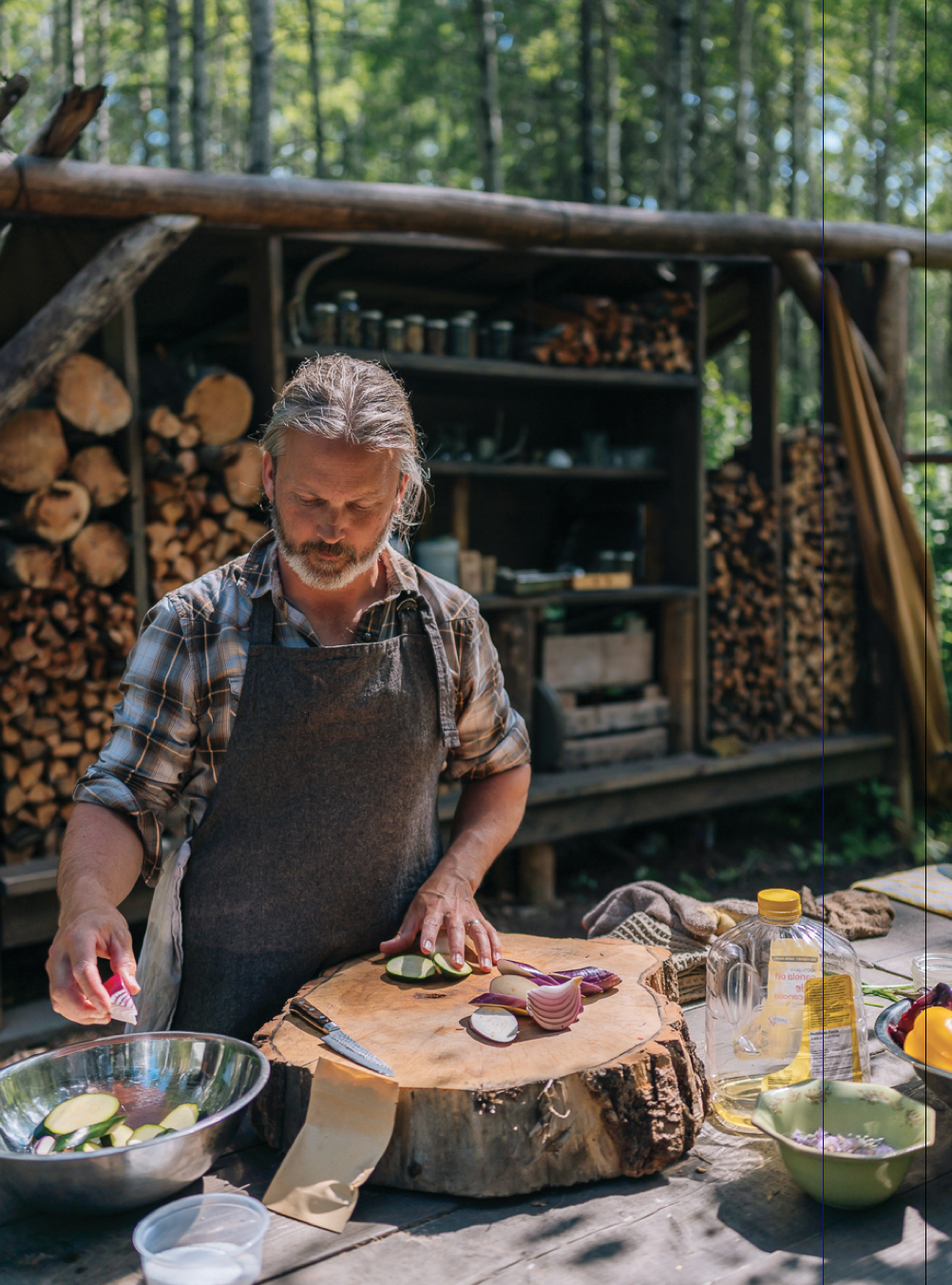
From the early days of his youth, Kossowan had embarked on hunting and fishing trips with his dad and cousins. Those forays continue, including an annual goose hunt at a site near Hanna, where he now owns a place in the country complete with an old granary he has converted to a camp kitchen.
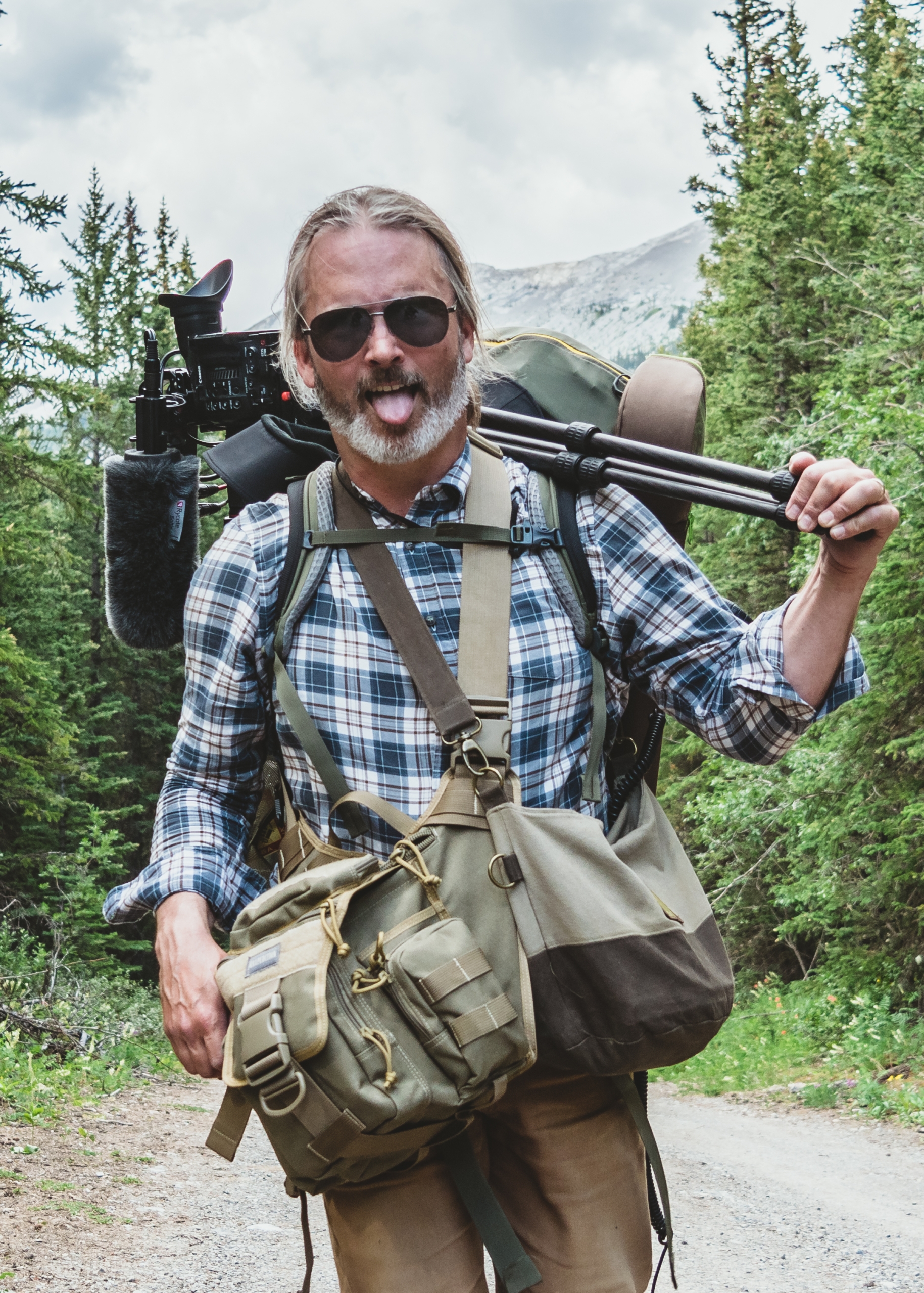
As his videography career blossomed, Kossowan developed and began producing a series of his own, From the Wild, based on his excursions into the prairies and the forests to fish, hunt and forage for food to supplement what he was growing in his back yard and purchasing from local producers.
It was on his Facebook page, back in April, that he revealed his long-term love affair with locally raised, farm fresh pork. The post gave a snapshot of “Pig Day,” when the Kossowan family purchases and processes a side of pork – saving a great deal of money and getting full value from the carcass.
“It’s been 16 years since I started butchering my own pork, and it’s still exciting and fun – and the economics still fascinate me,” Kossowan says in his post.
“Best quality meat for half the price of the biggest box stores, if you’re willing to put in some work.”
Then, in the blog on his website, kevinkossowan.com, he described the “porkonomics” that resulted from his efforts:
So what did I get for $300? Food value wise?
This has evolved a lot over the years, but here’s what I chose this time around.
— continued on page 34
— continued from page 33
*1 head roast
*2 shoulder roasts
*6 very large shoulder steaks, bone-in (grill)
*2 hocks, split and cured for smoking (destined for bean dishes)
*1 big stockpot of Tonkotsu broth for ramen (about 8L finished)
*15x 500-600g packs of ground pork (largely wontons, dumplings, spring rolls)
*1 pork tenderloin
*12x 250ml rendered lard (I cook with it a lot)
*5x slabs belly, cured and applewood smoked bacon
*2 belly ‘roasts’ for braising (think Japanese or Korean vibes)
*1 whole rack of pork ribs
*3 very large loin roasts, which we intend to make into Tonkatsu (Japanese style cutlets)
In an interview with Prairie Hog Country, Kossowan said a side of pork is a great buy because there is not one bit of waste, and the meat is especially good. His favourite cut is the shoulder steak, which he said is still a well-kept secret.
“Every time I have a pork shoulder steak on a grill, I’m a happy guy and I’ve loved that cut.
I actually had this chat with a friend, a colleague in the field last week, that both of us agreed that . . . pork shoulder steak on a grill beats any beef steak. Any cut, no matter how much money you spend on beef steak, I’d rather have a properly cooked pork shoulder steak – super, super under the radar cut of meat and I’m happy for that because it makes it inexpensive at a grocery store for folks.
“It’s one of those things that if you’re going to pay, like for a fatty, marbled rib-eye kind of steak, a pork shoulder steak has that fat and has that variation of muscle groups, so . . . you’ve got all kinds of different textures and it’s just kind of an adventure in a steak.”
He started cutting pork as soon as he had a place to do it, when he and Pam moved the family into their new home.
There was a variety of reasons behind their decision to butcher their own pork.
“There were so many cultural lenses that approached pork differently, specifically in the charcuterie space, which I was really interested in. So I wanted to do some curing and smoking. I’m actually smoking bacon and hocks today from that pig (we) just butchered.”
The process of butchering led to Kossowan’s discovery of the value attributes of pork, including the lack of waste from the carcass and the cost effectiveness for the household.
“(Pork is) one of the least cost proteins that we could possibly buy in our food system here.
“So we started organizing . . . pork butchery bees. We’d get a bunch of family and friends together and order a few pigs and cut them all together on a pig day and kind of make an event out of it.”
Pig Day continued to evolve, with the Kossowan’s offering workshops to others interested in learning their methods.
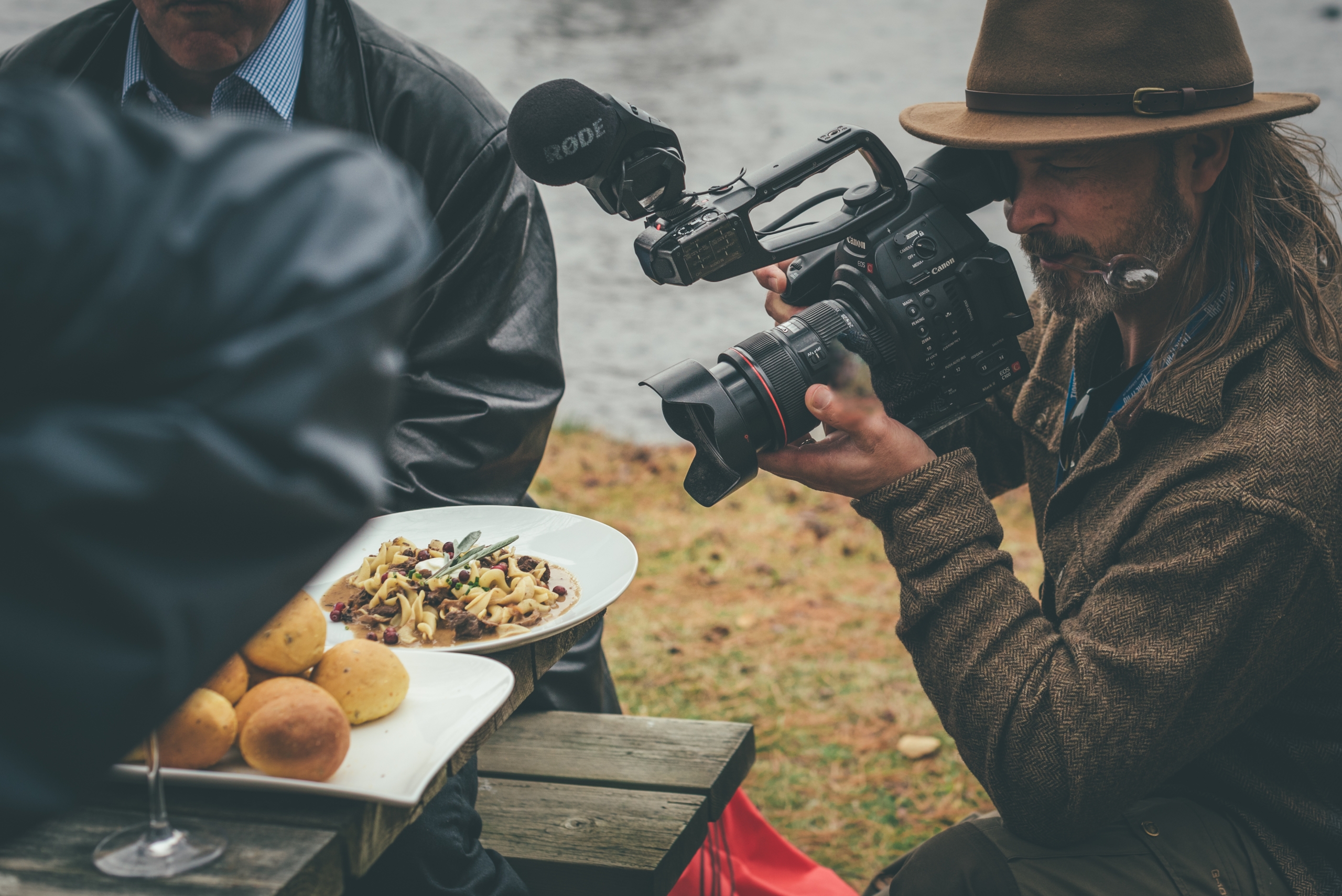
As his reputation grows, Kossowan has found himself collaborating with fellow foodies from around the world, including work with Survivorman Les Stroud and Chef Paul Rogalski on the Wild Harvest video series.
He said world-class chefs visiting Alberta frequently comment about the high quality of meat being raised here.
“I spent probably a decade filming chefs and culinary tourism activities across the province, and one of the frequently recurring themes that was a bit surprising was from chefs from other parts of the world was the quality of our proteins, our meats.
“A frequent piece of feedback was that the meats we have access to, the consistent quality, is way higher than so many other parts of the world – and I think we’re a bit oblivious to that because it’s just what we’re used to eating.
“I’m not aware why our pork or beef would be that much better than in South America or Asia or whatever, but we make good stuff,” said Kossowan.
Finding the highest value for every part of the carcass is a constant challenge across the meat industry, he said.
“I’ve long advocated that starts with food culture. People need to value the thing before they’re going to be willing to pay for the thing and how do you make it? That’s been my kind of life work. How do you make someone value something?
“Thankfully, food is a really good way to do that, because everyone eats and everyone likes to eat, typically. So, if you can show them or encourage them and just kind of create trends around certain things, that can bite into the food, culture and kind of change how people see things.
He cited farmers’ markets as an example, recalling that they were relatively scarce 10 to 15 years ago. People’s values changed and consumers found themselves willing to pay a bit more for food that was grown nearby, by smaller producers, he said.
“The culture in my career has changed and is changing kind of steadily. Culture change is slow, but once you’ve got it moving, it’s really hard to slow down. So that’s to me, the winning formula for changing value of a of a food product is shifting that culture – changing the momentum of the culture.”
Kossowan said Alberta’s pork industry needs to look for ways to differentiate its product and advises that it should not be undervalued.
“I grew up in an era where people were looking for lean pork, and . . . cooking the crap out of it. “Over time, I think again through the 80s, it’s like there was a hate on for everything from fat, then it was sugar and salt and everything was evil for a decade or two there. But I think people came around to like healthy fats . . . and people revere fat in beef.
“Consumers are a weird thing and the amazing part about consumer behaviour to me is that it only takes one celebrity chef or one TV show to popularize the pork shoulder steak and it’s game over for (cheap) pork shoulder steak for everyone.
“The consumer does drive the ship, there’s no question about that and that ship can be steered pretty readily by pop culture. So, it’s a weird game for any person who’s raising anything to try and influence that.
Kossowan was just wrapping up Episode 105 of From the Wild when we spoke in mid-April. The episode describes foraging for invasive species and making a gourmet meal based on wild caraway.
He said his work has changed over time, so freelance videography now makes up only about 10 per cent of his time, with the balance earned largely through guiding and teaching.
Please visit fromthewild.ca, kevinkossowan.com or @kevinkossowan on Facebook to visit the granary and catch up on a foodie’s adventures. •
— By Brenda Kossowan
photos provided by Kevin Kossowan