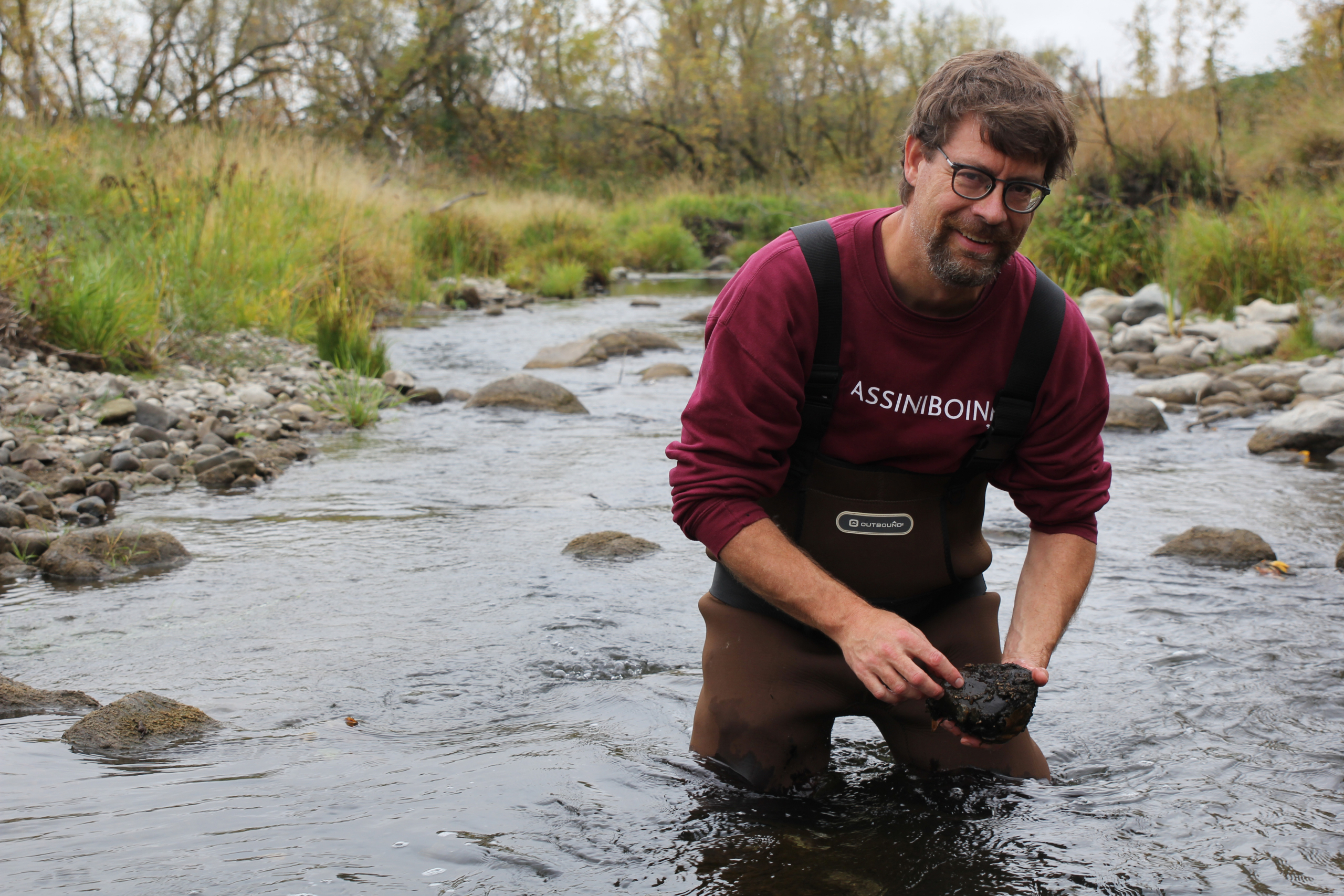
A new program using DNA to help find wild boar populations in Manitoba is being undertaken through Assiniboine and Squeal on Pigs.
James Hood, an Assiniboine College instructor, said any effort to control and ultimately eradicate wild boars “means needing to know where they are.”
In that regard efforts to scout out where wild boar populations are is critical, said Hood, adding efforts such as installing trail cameras and flying thermal drones over suspect areas are two examples of population discovery efforts.
Now Hood, and other Assiniboine College applied researchers are using DNA samples to try and find wild boar populations.
Hood explained when any animal “is moving through the environment they shed a little material, (such as scat).”
The material left behind contains DNA which can be tested for.
Hood said at present they are focused on testing for DNA in water ways — streams and creeks – looking for signs of wild boars, which they can then trace upstream using cameras drones and talking to area residents about possible sightings.
While DNA testing is another tool, it has limitations.
To start with researchers cannot differentiate wild boar DNA from domestic pig DNA, so a positive result is not necessarily an indication of a wild population nearby, offered Hood.
So when a test is positive they need to look if domestic pigs are in the area.
“The first step is to look upstream to see if there are any pig farms in the area,” he said.
Another limitation is that DNA degrades — UV rays and heat impact the DNA — in the environment over time for animals passing through an area there is a limited window to capture DNA.
“It has a finite lifespan,” said Hood.
DNA shed will only normally travel a few kilometres in a waterway too, so that limits information gathered, but reduces the search area when pig DNA is found.
Interestingly, Hood said when no pig DNA is found “it’s really important information as well,” as it does not waste resources seeking a population that does not exist.
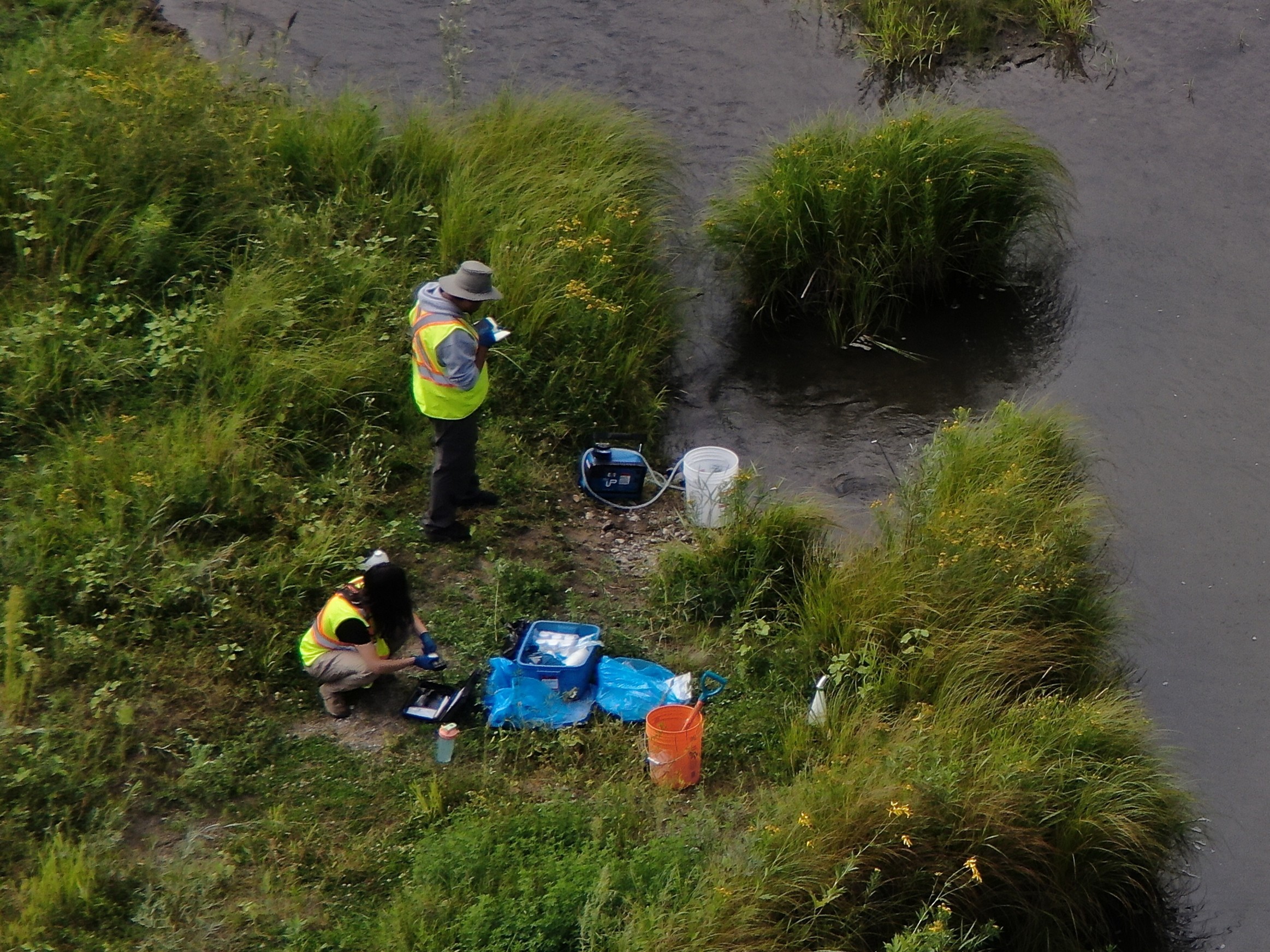
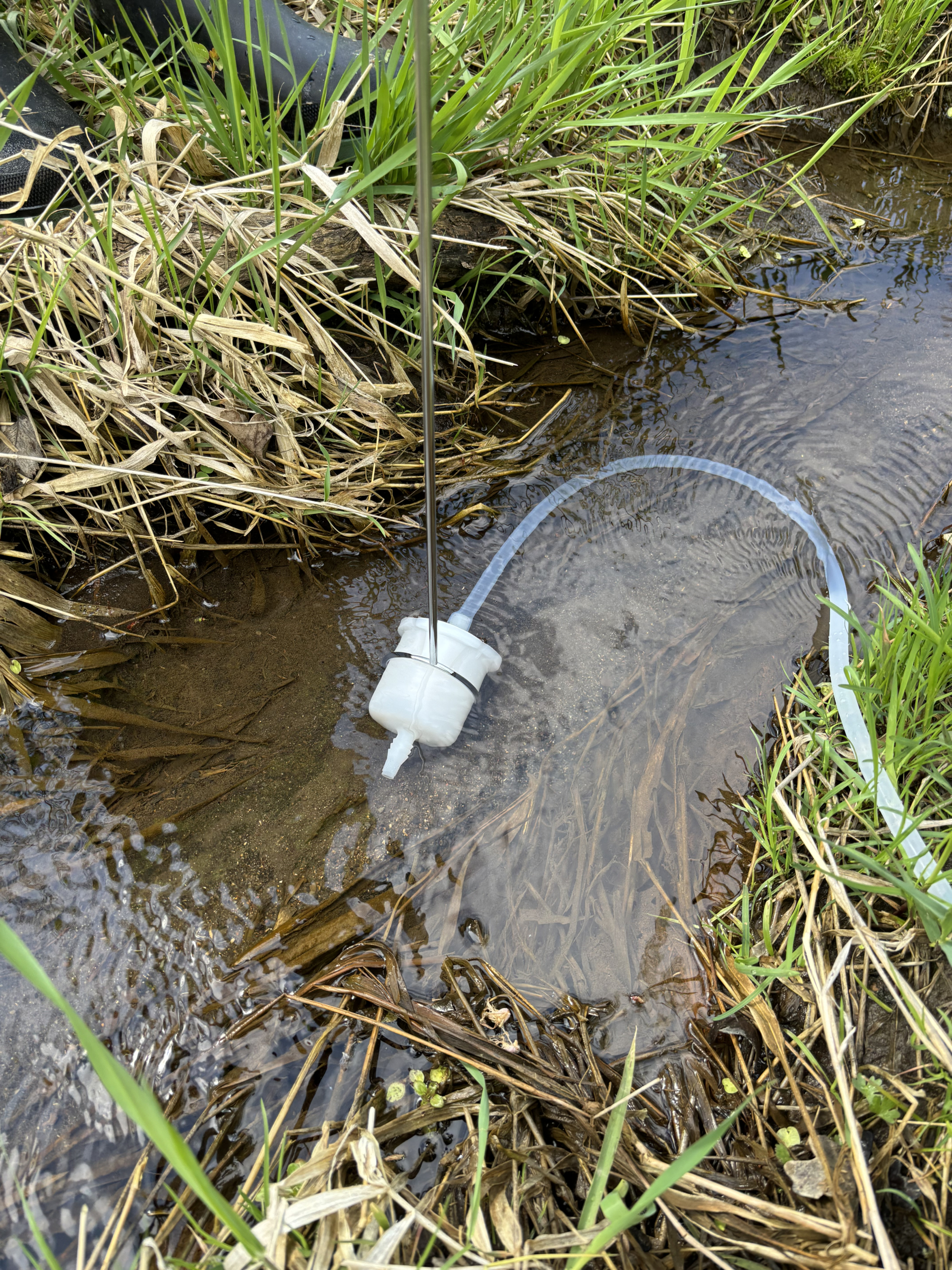
Hood said the collections so far have been limited, but more work is planned for this summer, said Hood, adding they do try to target areas which are looked at as having natural habitat wild boars would like.
Hood’s group are teaming up to expand efforts of invasive pig tracking in the countryside this summer.
Squeal on Pigs, which searches for invasive pigs and euthanizes them, invested roughly $60,000 last year in a DNA program to upgrade its pursuit of invasive pigs, said project co-ordinator Dr. Wayne Lees. The organization partnered with researchers at Assiniboine College to prepare technology that tests water features, such as streams, for pig DNA.
Lees said the organization hopes that the DNA testing help track swine in more remote locations, so they will be testing targeted areas in 2026.
“We’ll be testing a number of areas that are more problematic for us to able to scout,” he said, adding as an example forested areas with fewer people who might normally sight wild boar activity.
In terms of wild board habitat Lees said they like fringe areas between farmland – a source of food particularly liking corn – and forest for hiding. A water source and it’s the trifecta of wild boar living space.
Lees called the DNA testing as a ‘rule-in / rule-out’ tool. If testing does not show pig DNA they can look elsewhere.
“It’s a way to better channel our resources,” he said. •
WILD BOAR FACTS:
• Reproduce alarmingly fast, with females giving birth to four to 12 piglets up to twice a year
• Contaminate water sources with E. coli and other bacteria, putting public safety and health at risk
• Damage natural habitats, displacing wildlife and negatively impacting biodiversity
• Uproot and trample crops, destroying farmers’ hard work
•Can carry up to 89 diseases, threatening farm livestock
By Calvin Daniels