Health Canada decides to indefinitely suspended a proposed policy update on foods from cloned swine and cattle.
Health Canada has decided not to move forward on a proposed policy revision pertaining to foods derived from cloned animals under its Food and Drug Regulations. This was specifically regarding the regulation of foods derived from somatic cell nuclear transfer (SCNT) cloned cattle and swine and their offspring as novel foods.
Health Canada said there are currently no approved foods from cloned products on the market in Canada.
DuBreton, North America’s leading suppliers of organic pork, approved the decision. •
Cloned Meat Enters Canadian Food Supply Without Labelling or Public Notice
Cloned meat and gene-edited livestock products are set to enter the Canadian food supply without labelling or public disclosure, following a major shift in Health Canada’s Novel Food policy. The change removes cloned animals and their offspring from the Novel Food category, meaning these products will no longer require safety reviews or mandatory labels when sold to consumers.
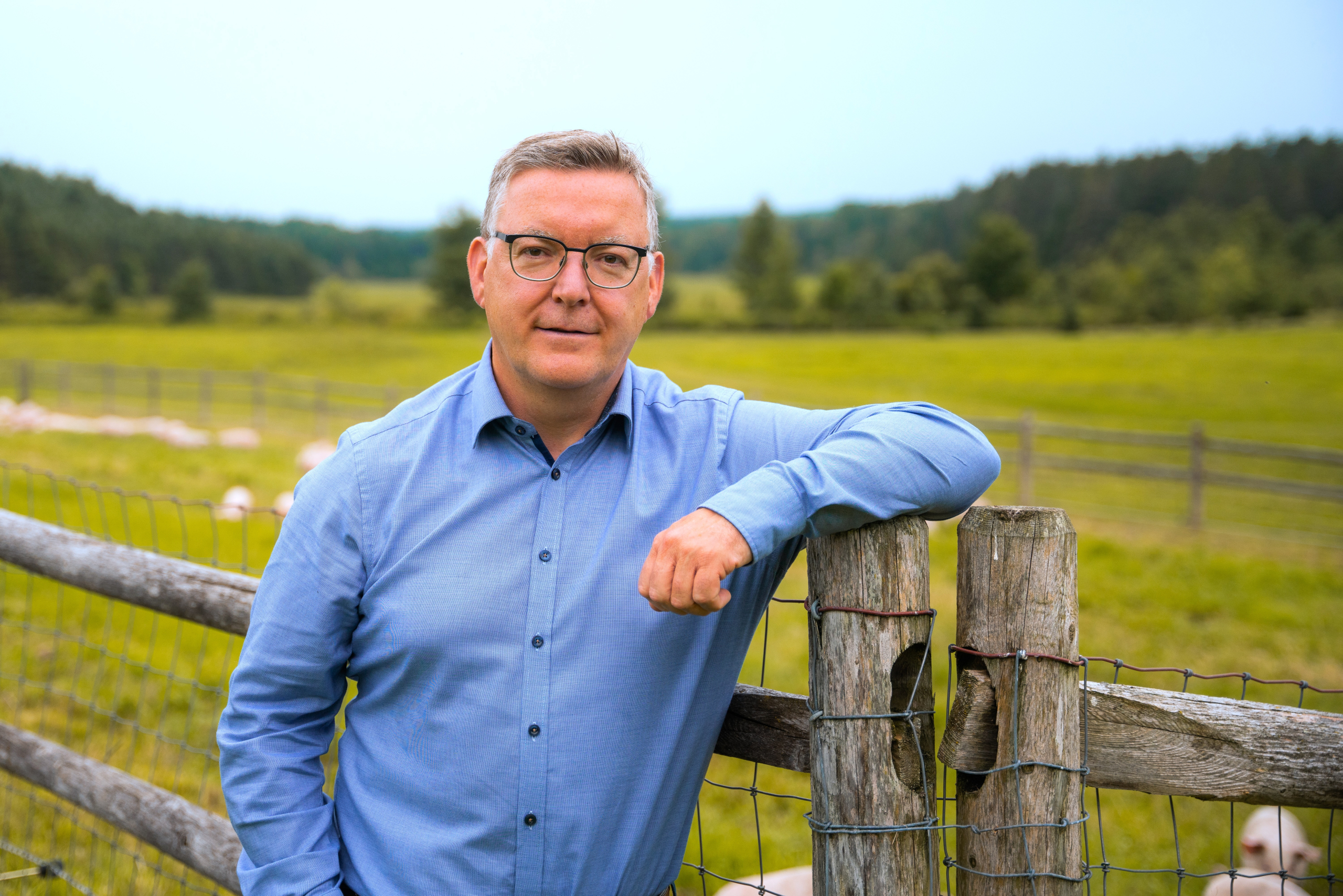
Vincent Breton, president and CEO of duBreton, a major Certified Humane and organic pork producer, says the issue is not the science behind cloning but the lack of transparency. “Consumers won’t know these products are entering the food chain,” he said, noting that Health Canada made the decision with “no announcement and no public explanation.”
Health Canada consulted roughly 1,200 people before updating the policy. Previously, cloned animals, their offspring, and gene-edited livestock were in the Novel Food category, which required additional safety assessments. Under the new rules, expected to take effect before year-end, products created using these technologies will enter the market like any other food.
Breton said surveys across North America show that 70 to 90 percent of consumers want to know how their food gets produced. “Some aren’t afraid of the technology,” he said. “Others want to understand the impact on health, the environment, or the animals themselves.” He said the problem is not disagreement over the science but the information needed to make their own choices.
He also pointed to inconsistencies created by the policy change. Under Canadian labelling rules, a product labelled “natural” must be minimally processed and contain no artificial ingredients. Yet under the new policy, the meat can still be labelled “natural.” Breton called the idea “crazy,” saying it undermines consumer trust.
The shift places new pressure on certification bodies that support transparency in livestock production. Because duBreton is organic, it already adheres to strict standards that prohibit genetic modification, gene editing, and cloning. But other third-party programs, such as Certified Humane and the Global Animal Partnership, now face decisions about whether cloned or gene-edited animals fit within their production rules. Breton said these organizations will need to clarify their standards to avoid confusing consumers.
He is urging responsible food brands and retailers to lead by example. “If Health Canada won’t label these products, others will have to step up,” he said. That includes voluntary labels, clearer production claims, and stronger certification protocols. Breton said transparency is essential because “the food system exists to serve consumers.”
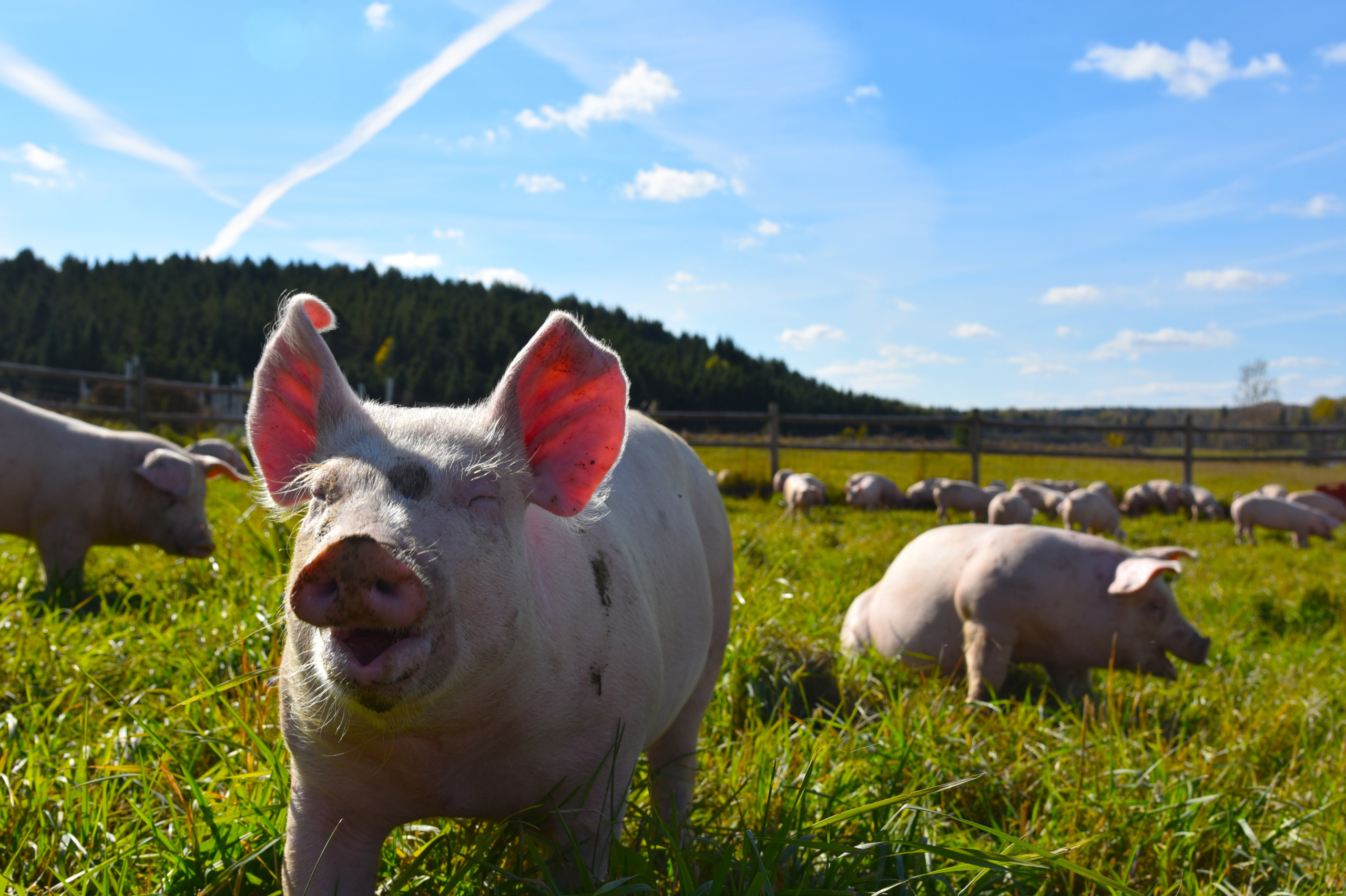

The issue also connects to broader developments in livestock genetics. Companies such as Topigs Norsvin, which operates advanced facilities in Manitoba, design genetics based on what the consumer wants—whether that is improved flavour, animal welfare, or environmental performance. As genetics becomes more important in animal agriculture, consumers expect more information, not less.
Breton said removing cloned animals from the Novel Food category conflicts with the industry’s move toward greater openness. Without clear labels, consumers cannot distinguish between conventional meat, cloned meat, or gene-edited products. That lack of clarity could erode trust in the long term.
He referred to a line from food-policy expert Dr. Sylvain Charlebois, who wrote that “the problem is not science, it’s silence.” Breton said that statement “perfectly describes what’s happening.” Science will continue to advance, he noted, but regulators must communicate openly with the public.
While some consumers may welcome new technologies, and others may reject them, informed choice depends on transparent labelling. Breton argued that the decision should involve only government officials or food companies. “It belongs to the consumer,” he said.
The quiet nature of the policy change has started to draw attention from farm groups, food advocates, and supply-chain partners. Such a significant shift should involve open consultation and broad public discussion, especially when it changes how food reaches the Canadian market.
The debate is not about whether cloned meat is safe. The debate is about whether people have the right to know what they are eating. Removing mandatory labelling takes that right away. Without information, Canadians cannot make decisions aligned with their values.
As this policy moves forward, the conversation around cloned and gene-edited livestock is likely to grow louder. Canadians expect openness from the institutions responsible for food safety. trust is central to the relationship between consumers, farmers, and the food system. Once trust weakens, it becomes difficult to rebuild.
Health Canada’s decision to proceed quietly has placed that trust at risk. As cloned meat enters the food supply, Canadians will continue to ask for one simple thing – clear, honest information about how their food gets produced. •
—By Harry Siemens
**The update of not allowing Cloned meat in Canada was announced
just at press time.