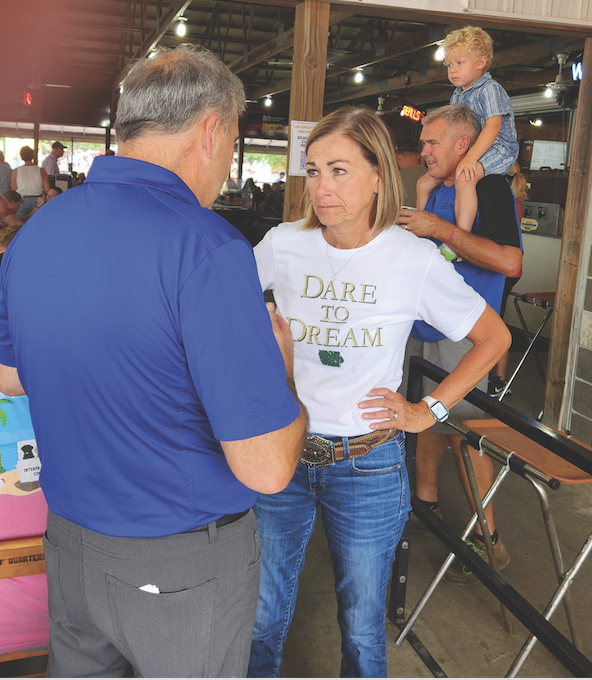
Photo courtesy of Cam Dahl.
Cam Dahl, general manager of Manitoba Pork, says the Iowa market is too important to take for granted. He says Manitoba ships two million isoweans to Iowa every year, making this a critical relationship for producers on both sides of the border. That is why Rick Préjet, board chair and hog producer, and Dahl travelled with Manitoba Agriculture Minister Ron Kostyshyn to Iowa recently —to reinforce that connection face-to-face with political leaders, farm groups, and business partners who share our stake in this trade.
Dahl says Iowa is important to Manitoba pork producers, and Manitoba is important to Iowa’s hog industry. That mutual reliance drives the purpose of this trip. Minister Kostyshyn’s presence underscores the importance we place on the relationship and the need to maintain it in the face of challenges like the upcoming CUSMA review and talk of tariffs. Dahl says the message is clear: the integrated market we share works, and both sides benefit. He wants leaders to hear that directly.
The visit lined up with the Iowa State Fair, which Dahl calls a magnet for political and industry leaders. The Manitoba group met with Iowa’s Governor, Lieutenant Governor, Secretary of Agriculture, Secretary of State, and key Senate and House members who influence agricultural policy. Dahl says the opportunity to sit across the table from decision-makers builds trust and cements connections in a way virtual meetings never can.
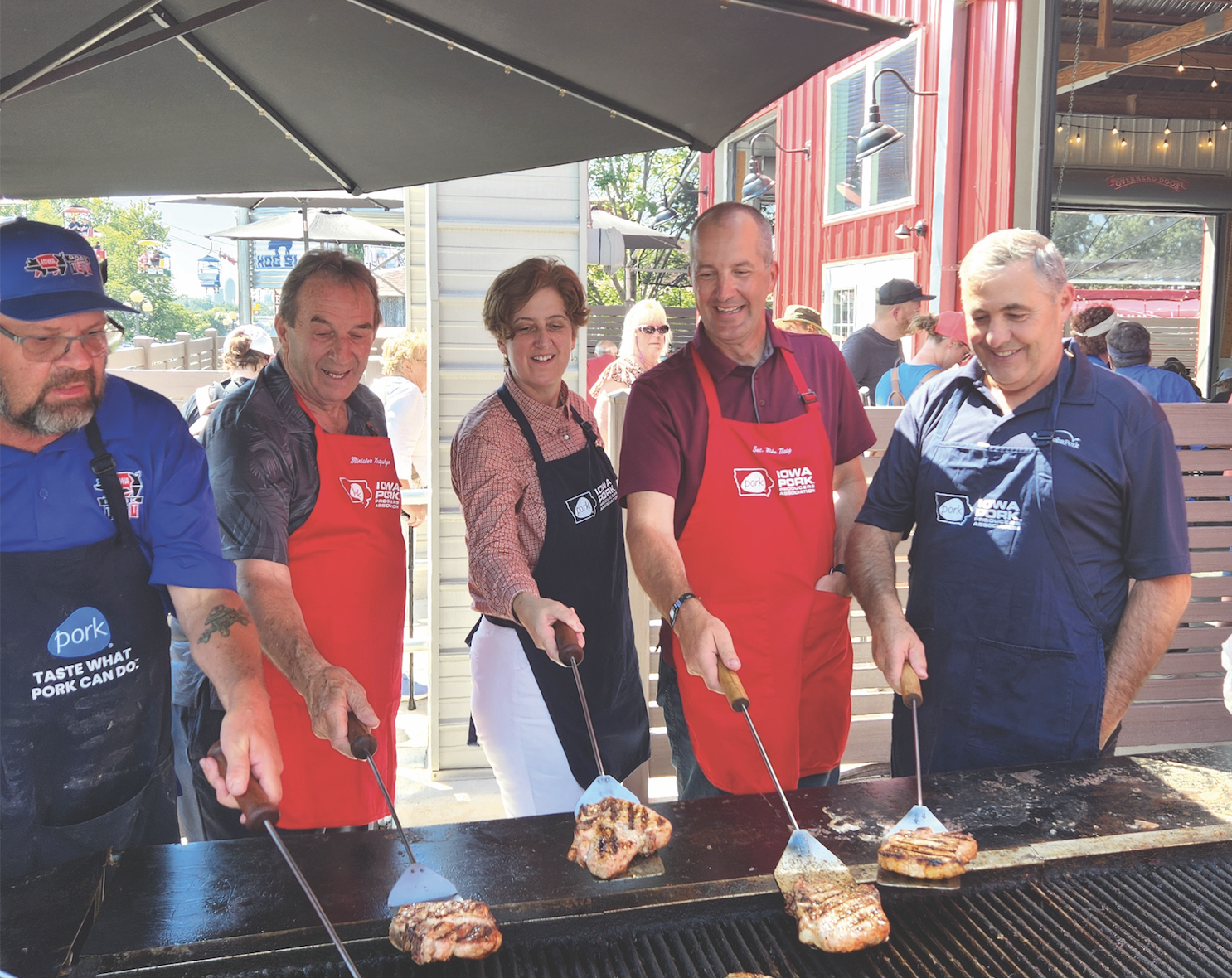
The group’s time in Iowa also included meetings with the Iowa Farm Bureau and commodity groups for soybeans, corn, and other agribusiness associations. Dahl explained that Manitoba Pork already maintains a strong connection with these groups, attending events like the Iowa Pork Congress to keep the dialogue open.
This trip adds another layer to those ongoing efforts. He says relationship-building is not a one-off exercise but a constant priority.
When asked if the trip produced new agreements or initiatives, Dahl stressed that the goal is to maintain, support, and strengthen what already works. He says producers in Manitoba and Iowa share common interests: open trade, stable markets, and protection against policy changes that could disrupt supply chains. He notes that both political leaders and farm organizations in Iowa understand how valuable this cross-border trade is to their economy, just as Manitoba producers know how important Iowa is to them.
Market conditions also formed part of the discussion. Dahl says prices for pork and isoweans remain strong, but uncertainty lingers because of national-level trade negotiations. Having allies in Iowa—especially in a key Republican state—could help protect the integrated market if political shifts threaten it. He says Iowa leaders can add their voices to calls for policies that safeguard this trade, ensuring both sides remain competitive.
Dahl believes this kind of direct engagement builds resilience.
“It prepares the industry to respond quickly when potential threats emerge. By reinforcing the economic and strategic importance of the Manitoba–Iowa partnership, the trip helps keep the relationship in good standing regardless of political winds,” said Dahl.
Manitoba Pork plans to keep the momentum going. Dahl says this is not the first time the organization has visited Des Moines, and it will not be the last. They will continue meeting Iowa leaders, commodity groups, and industry partners regularly to maintain strong ties. The strategy is clear: protect and enhance the flow of trade, support producer competitiveness, and keep the partnership vibrant.
As Dahl puts it, strong relationships mean strong markets. The two million isoweans that cross the border every year represent not just economic value but also trust built over years of cooperation. This trip reminds both sides that the trust remains intact and worth preserving.
“And as long as both Manitoba and Iowa keep working together, producers on each side can count on a stable, integrated market that benefits everyone involved.”
— By Harry Siemens