artificial intelligence program will help hog producers become more efficient and catch health and feed problems early.
An Ontario company is pulling together eight software programs already used in hog barns onto a single platform and use artificial intelligence to analyze data and identify problems in the barn quickly.
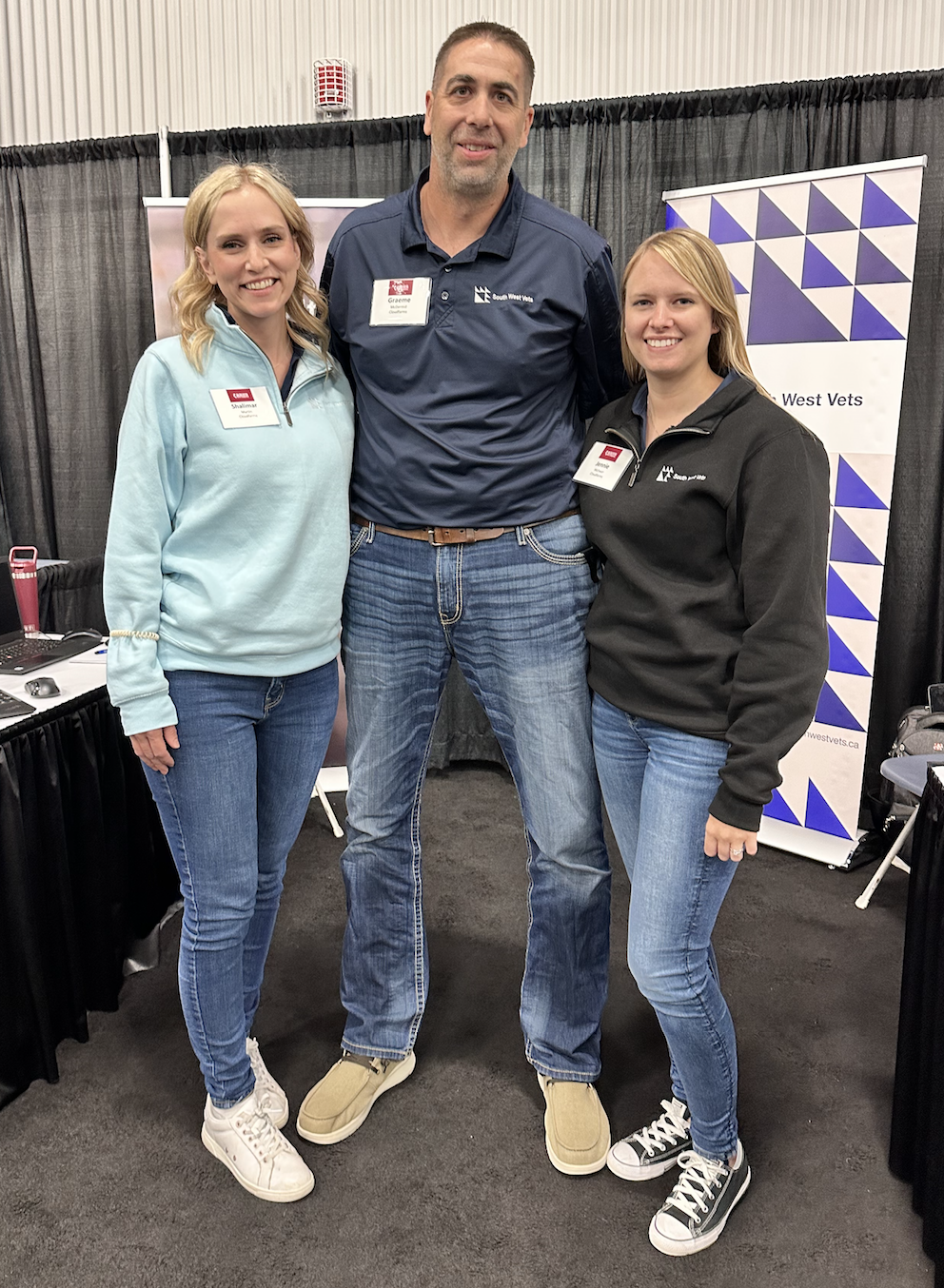
Information from the Precision Livestock Diagnostics platform will allow producers to catch problems with feed or equipment early, improve feed management and amalgamate all the barn records onto a single platform, said Graeme McDermid of South West Vets in Stratford, Ont.
“We’re pulling together platforms already used in barns to one single platform then start to use machine learning and algorithms to start to be predictive of what we think outcomes might be,” said McDermid during the Alberta Pork Congress.
McDermid said their company has started field testing the platform in four finishing barns in Alberta and Ontario and hope to have 140 to 150 barns enrolled in the program by fall representing 200,000 hogs.
The idea for the precision diagnostics platform came through discussions with producers who were forced to deal with multiple different computer platforms in several places throughout the barns and not know how information from one computer program impacted other programs and the pigs within the barns.
“Producers have to touch multiple different platforms in multiple different places and get fragments of information and it is all still stored in its place. It came from a desire to have the information consolidated in one place and apply the learning behind it.”
The platform will be able to take information from water sensors, feed sensors, ventilation units and other units and put it through the artificial intelligence part of the platform to analyze feed or water intake or other issues and flag a potential problem.
“It is all about early detection with the ability to change outcomes in real time. We’re trying to identify a disease challenge early or management issue that is occurring and deal with it in real time to have a more positive outcome is the ultimate goal. It would be all around influencing outcomes and have better results.”
McDermid said the new platform is still gathering data to train their program.
“Our learnings aren’t quite there yet. We think we will be able to glean information out of every single group of pigs. It will take us time. We will have to generate a certain mass of data to apply the AI part of it, but we have to start collecting data first.”
Javier Bahamon, Quality Assurance and Production Manager with Alberta Pork believes artificial intelligence within the barns will be a game changer for pork producers.
“Managing a barn is really tough. Artificial intelligence will bring all this together and be able to be more efficient.”
“This new technology gives us the capacity to detect things at an earlier stage if we see a diseased animal or a broken thing in the barn. There are so many things we need to do on a daily basis. Artificial intelligence will give us a report of what maintenance needs to happen and how many animals are sick today. You will be targeted and efficient and reduce the amount of treatments you need to do because you are preventing that from happening.”
Bahamon said there is plenty of software capturing data in the barn now, but without someone, or something, analyzing the data, it is just information. Within seconds AI can tell a technician or owner what needs to be done.
“This kind of technology is keeping an eye on where I can not be every single day. We can have tons of data, but the data can be sitting there without anyone analyzing it. Sometimes we don’t have the time to analyze it. This technology analyzes tons of data in less than a second. I am looking forward to seeing it.”
A less stressful barn that is helped to be efficient will also help entice workers to the industry, he said. •
— By Mary MacArthur