The decision to update the code of practice for the care and handling of pigs is a sign of the pork industry’s commitment to strong animal welfare, said a pork welfare specialist.
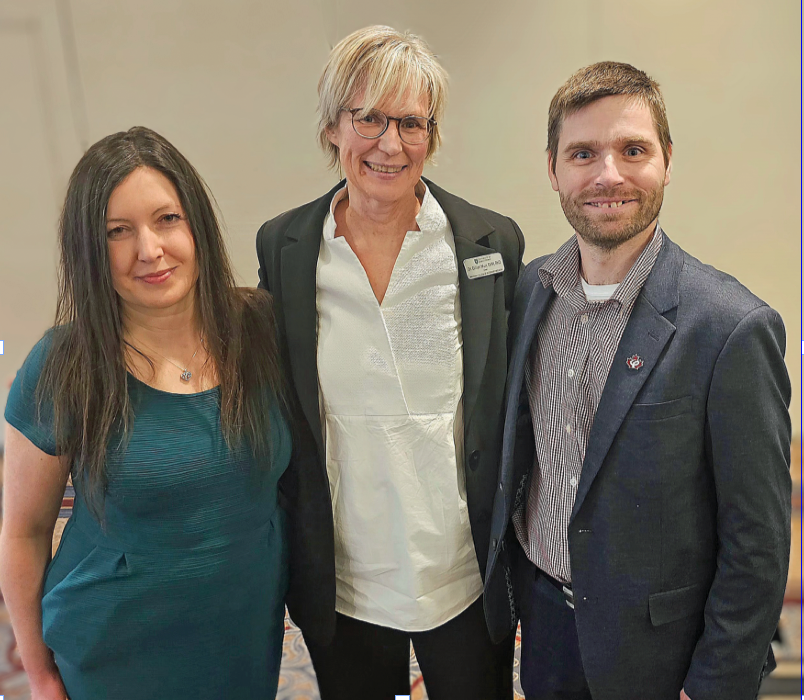
“The industry has moved the code forward so that is demonstrating that they are committed to maintaining a code and having it up to date,” said Yolande Seddon, Research chair in Swine Welfare at the Western College of Veterinary Medicine at the University of Saskatchewan.
The Canadian Pork Council, along with the National Farm Animal Care Council, announced mid-May the process to update the Code of Practice for the Care and Handling of Pigs has begun. The code provides guidance for the care and handling of farm animals and reflects the latest animal welfare science. NFACC is a division of Animal Health Canada
Seddon said the process of updating the code of practice is “very significant” for producers and the entire pork industry.
“It is showing that the industry is willing to support animal welfare moving forward and wants to be informed so that the animal welfare practices are up-to-date with science,” said Seddon, also a U of S associate professor in swine behaviour and welfare.
The code is updated every 10 years and reviewed every five years. As an initial part of the review, industry stakeholders were asked to take a survey to “capture top-of-mind welfare thoughts.”
René Roy, chair of the Canadian Pork Council said “the code review process is a positive step forward in helping our Code of Practice be developed with the latest scientific evidence, and we understand the importance of ongoing dialogue and discussion with our value chain partners.”
Seddon said she expects the review to discuss space allowances for animals and advances in pain control for routine painful procedures. Some discussion may also take place on environmental enrichment of pens for pigs and updates on euthanasia protocols based on updated research.
Discussions will likely touch on the changes taking place on the switch to group housing and the speed any updated changes will take place.
“If the pace of introducing things is too fast and people are being forced to make investments when they haven’t paid off capital, then you have people exiting the business. The consensus is that we need to be moving forward with positive progression and helping to educate so producers can also see what’s changing in the code and use it to plan their own business decisions.”
Seddon said 97 percent of producers are following the code of practice and are part of a quality assurance program so any changes to the code really do have an impact on the whole industry.
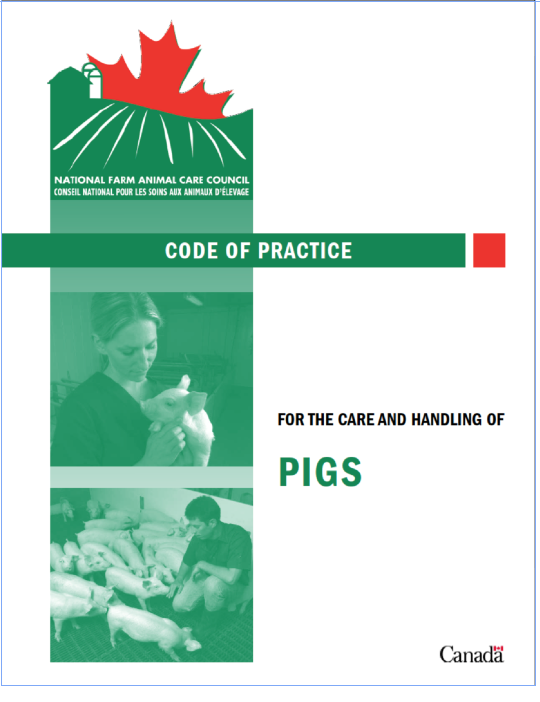
Five Codes – beef cattle, equine, pig, sheep, and poultry – are being updated. The pullet and layer Code is being amended. Visit www.nfacc.ca for more details and a timeline outlining the steps and progress made on the respective Codes.
The Pig Code update timeline:
- Start: September 2024
- Top of mind survey: May 15 to June 4, 2025
- Public comment period: Fall 2026 / Winter 2027
• Projected completion: March 2028
The code is divided into six sections: Housing and Handling Facilities, Feed and Water, Animal Health, Husbandry Practices, Transportation and Euthanasia. •
— By Mary MacArthur