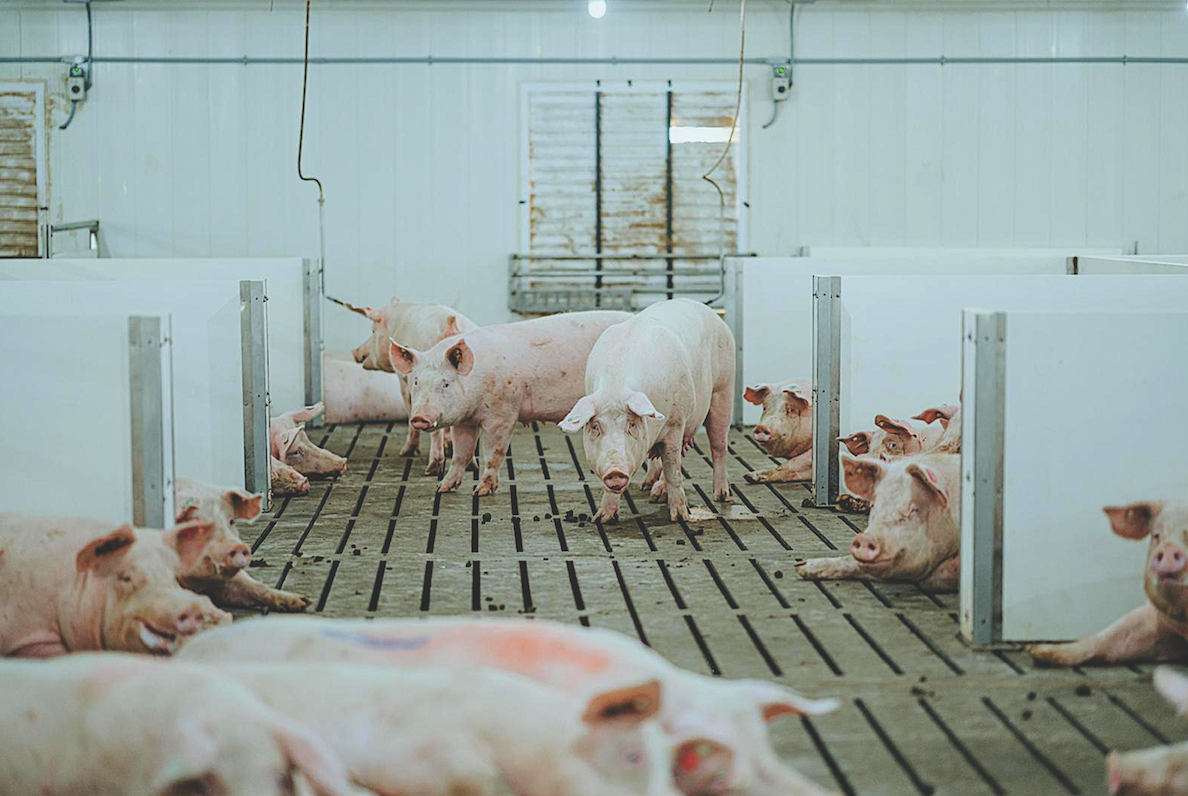
The Canadian Pork Council (CPC), in partnership with the National Farm Animal Care Council (NFACC), has launched the process to update the Code of Practice for the Care and Handling of Pigs in Canada. The review, guided by NFACC’s structured, science-informed approach, aims to strengthen animal welfare standards while keeping them practical for producers. The update process includes a public survey that was open until June 4, 2025, available through NFACC’s website.
“Canadian pork producers are committed to ensuring the health and well-being of all pigs under their care,” said René Roy, Chair of the Canadian Pork Council. “This Code review allows us to work with the latest scientific research and maintain open dialogue with our value chain partners.”
NFACC’s Code process relies on input from a wide range of stakeholders—producers, veterinarians, animal welfare experts, retailers, and the public. The initial survey gathers top-of-mind thoughts from all interested parties and plays a critical role in shaping the direction of the new Code. The updated pig Code is one of six documents under revision, including Codes for beef cattle, poultry, sheep, equine and the pullet and layer Code.
“I’m pleased to see the pig Code update underway,” said Dr. Bettina Bobsien, a veterinarian and Vice-Chair of NFACC. “The hog sector’s leadership, alongside strong engagement from other stakeholders, shows a shared commitment to advancing animal welfare in Canada.”
Canada’s Codes of Practice are the foundation of farm animal care in the country. They influence provincial regulations, guide education and training, and serve as the backbone of on-farm animal care assessment programs. Regarding pork, the CPC has been building on the Code since launching its Animal Care Assessment (ACA™) program in 2005.
“ACA™ is how producers say what they do, do what they say, and prove it,” Roy explains. “It’s one way we show Canadians and our international customers that we take animal care seriously.”
The ACA™ is an independent, voluntary assessment tool that lets pork producers demonstrate responsible animal care on their farms. In 2012, it became a required element of the Canadian Quality Assurance (CQA®) program, tying together food safety and animal welfare standards under one framework. The CQA®, launched in 1998, was Canada’s first national food safety program for pork producers and remains a key market requirement.
Updating the Code will also inform improvements to the ACA™, ensuring the program remains current with science and reflects the realities of modern pork production. The goal is to offer a robust tool supporting accountability and continuous improvement.
The Code strikes a balance between scientific evidence and practical farm implementation. It defines requirements as mandatory and outcome-based and recommends practices that encourage innovation and raise the bar on animal care but are not compulsory. This structure allows producers flexibility in meeting animal welfare outcomes while promoting best practices across different farm sizes and systems.
“The Code gives farmers tools they can work with,” said Dr. Bobsien. “It sets high expectations, but with flexibility to suit different farm operations. That’s essential for real change.”
The updated pig Code will not apply to associated industries such as AI boar stud farms, processing facilities, or transporters beyond the farm gate. It focuses strictly on practices within the farm environment. According to NFACC, all Code committee members may not fully agree on every requirement and recommendation, but accept the Code as a fair and balanced standard.
Founded in 2005, NFACC operates under Animal Health Canada as Canada’s national lead for farm animal care. It brings together diverse stakeholders to work collaboratively on animal welfare, transparency, and evidence-based practices. The Canadian Pork Council represents 7,000 farms through nine provincial pork organizations and provides leadership on national and international animal care, food safety, traceability, trade, and sustainability issues.
With the Code update underway, NFACC and the CPC reaffirm their commitment to building a stronger foundation for responsible pork production. The review aims to ensure Canada’s pork industry meets consumer expectations while remaining practical, transparent, and science-driven.
Manitoba Pork will keep producers informed throughout this process, which will continue into 2026. In the coming months, we will share details about consultations and how producers can provide their inpu
To participate in the pig Code survey or follow the development progress, visit www.nfacc.ca •
— By Harry Siemens