
Dr. John Carr, a world-renowned veterinarian, livestock consultant, and lecturer based in Brisbane, Australia, while fewer visits to Canada, remains actively engaged with producers and professionals worldwide—always ready to answer emails and provide expert advice on the issues that matter most to the swine sector.
Dr. Carr recently responded to six critical questions about the hog industry in Canada.
“We need to stay alert,” said Dr. Carr, speaking on global hog production challenges. “Influenza H5N1 is showing up in pigs and cattle, raising real concerns. It might not spread widely, but all the food safety talk could affect pork demand. PED has been quieter in Canada this winter, but we can’t relax.”
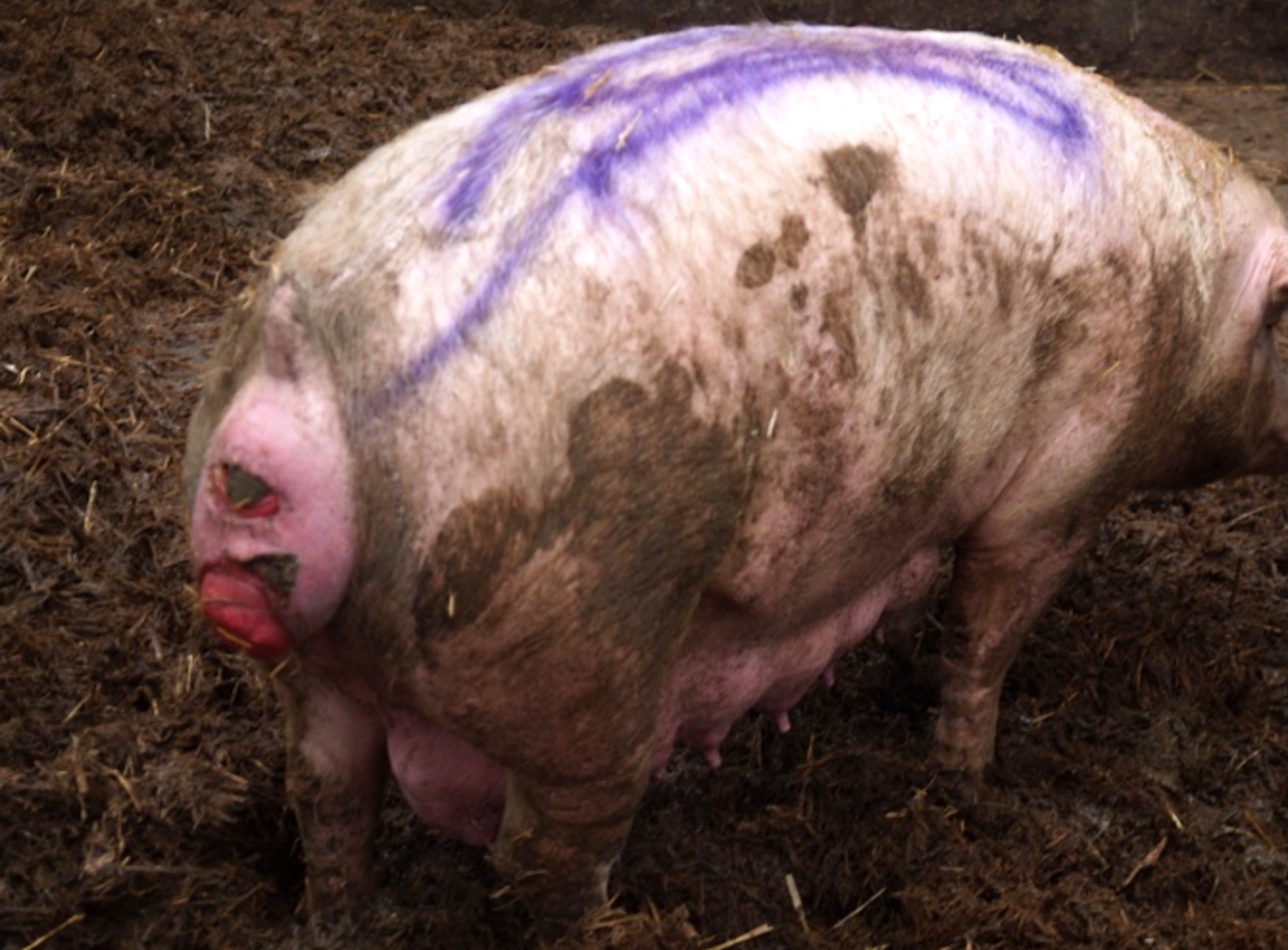
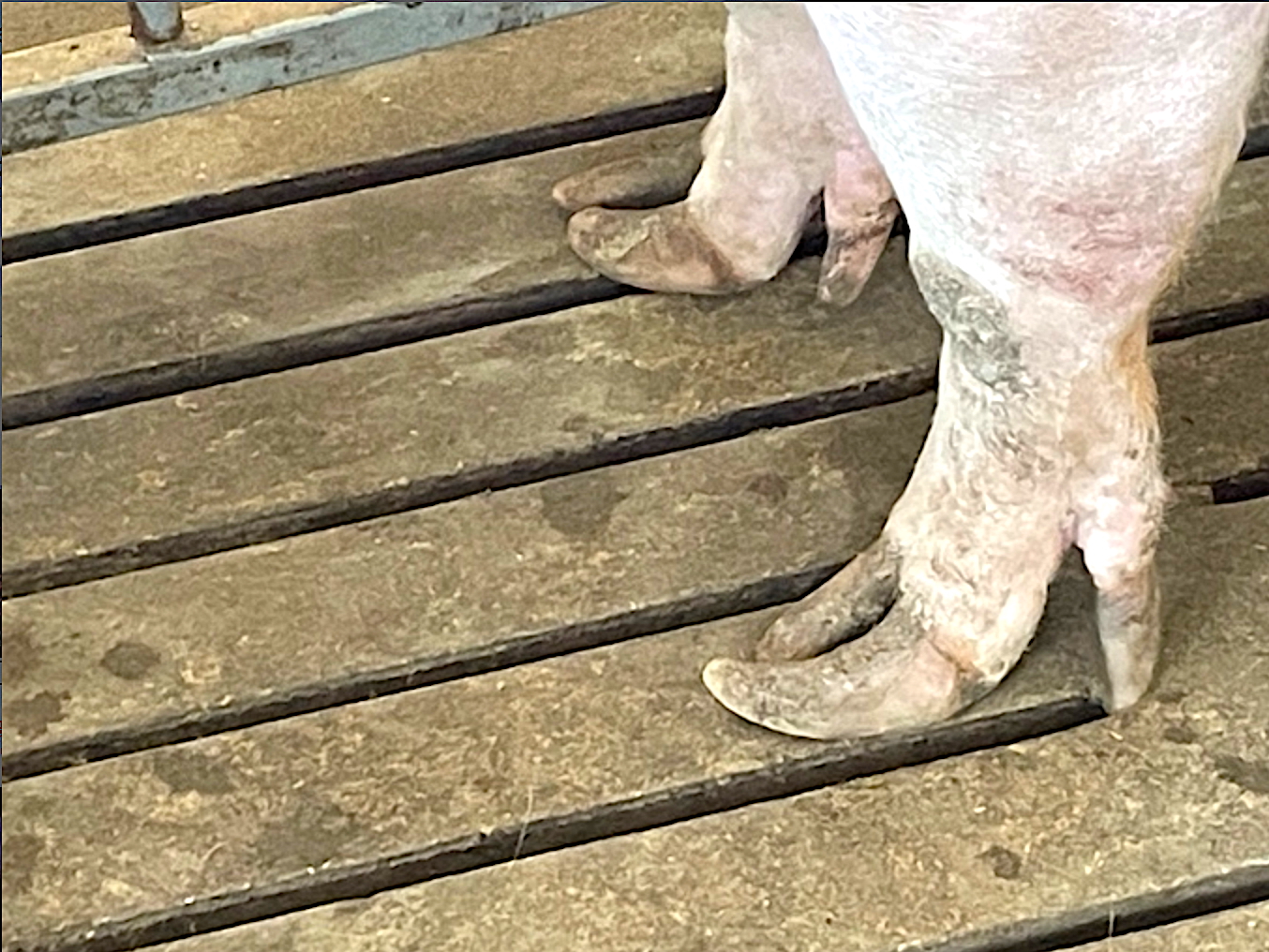
When it comes to ear necrosis, Dr. Carr calls it “a major problem with no clear cause.” He believes it’s linked to metal nursery feeders and a bacteria called Treponema pedis, not bad behaviour like biting. On sow health, he notes, “I don’t see pelvic organ prolapse much in North America, but sow mortality over six per cent is too high. The real issue is bad feet.”
“African Swine Fever, ASF, is still a considerable threat. Just last year, Ukraine had a significant outbreak—even on high-bio-security genetic farms. That worries me.” He points out that Canadian farms may be especially vulnerable. “We don’t have strong perimeter bio-security, and there’s still no reliable vaccine.”
Dr. Carr urges close attention to countries like the Philippines, where ASF remains active. “The biggest danger is farmers becoming too relaxed once the disease diminishes. It’s not yesterday’s problem.” His advice is clear: “The key to controlling ASF is bio-security, bio-security, and more bio-security I love a good perimeter fence!”
He said the future of hog production is tech-driven. China is short on labour, so it’s turning to robotics, AI, and cameras that detect piglet diarrhea and using AI to monitor and prevent bio-security breaches.
“We need to get back to the cutting edge,” he urges.
However, Dr. Carr highlights a more significant challenge: people.
“Labour is the real issue in our industry,” he said. “We care deeply for our pigs, but there are groups out there who hate what we do and won’t listen to reason. I’m spending more and more time in court defending good farming practices.”
Dr. Carr said there’s no real global push for niche pork. That demand mainly comes from wealthy middle-class consumers with money to spend. The majority of people want good, affordable food. “In tiny markets—farms with 50 sows or less—you might see organic or antibiotic-free pork. But once you get to 200 sows or more, those farms focus on producing food, not novelties.”
He said while sustainability matters, feed is the real challenge.
“We talk a lot about the environment, but the bigger question is how we will feed an extra two billion people.” He believes environmental regulations will eventually catch up, but not right away. “Producers are aware of waste and emissions, but the legal pressure probably won’t hit hard until after 2060,” he adds. “Right now, the focus should be on ensuring we have enough food for the future.”
Trade policies are constantly changing—and so are the impacts. “Back in December, we were talking about a 25 per cent tariff. By April, it’s reality.”
He points out that while the tariff hits American buyers, not Canadian sellers, it upsets the market. “What choice does Iowa have? The U.S. doesn’t have enough pigs, and growing they’ll take over a year.” He sees an opportunity for Canada. “This could push Canada to invest in more slaughter plants and boost exports. Someone has to feed the growing population.” Dr. Carr adds, “We’re at eight billion people now. We’ll peak around 10 billion in 25 years—and then the global population will drop faster than it’s grown since the 1700s.”
While pork is no longer the top protein—poultry has taken that spot—he reminds us that pigs still make up 36 per cent of global meat consumption. “In 2024, the world needed about 14 kg of pork per person. With eight billion people, that means about a billion pigs alive at any one time.” He breaks it down further: “If each sow produces 25 pigs a year, we’ll need 10 million more sows—or 250 million more pigs. That’s more than all of North America’s current output. Canada has a big role to play in feeding the world.” •
—By Harry Siemens