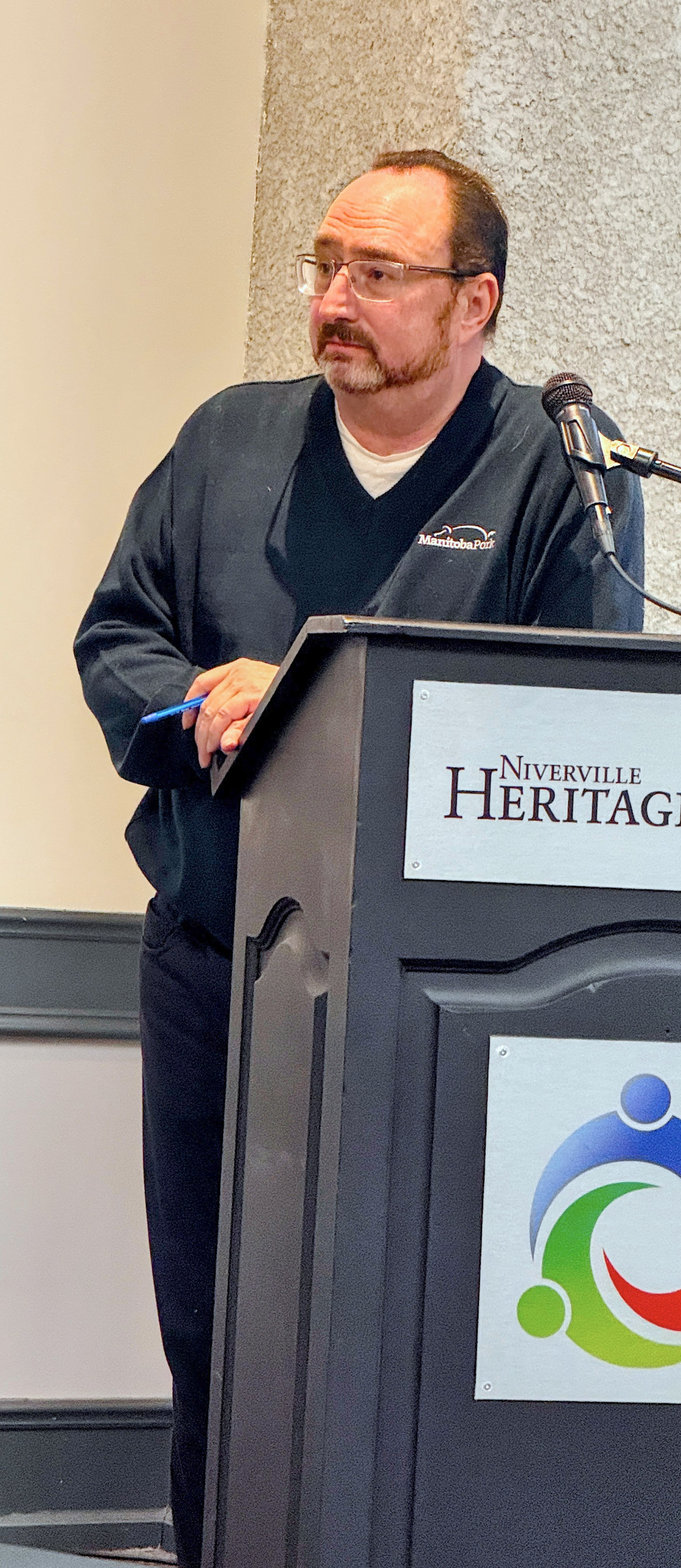
Manitoba Pork general manager Cam Dahl continues to track a growing list of trade pressures facing the province’s hog sector, and voluntary country-of-origin labelling sits near the top. Dahl says he feels real concern as the voluntary U.S. labelling rule moves toward implementation on January 1. He says Manitoba producers already navigate protectionist moves on several fronts, and vCOOL adds another barrier at a time when global uncertainty weighs heavily on the industry.
Dahl says the biggest issue with vCOOL lies in how easily it can discriminate against Canadian live pigs moving into the U.S. He sees clear signals already. Some American processors have begun indicating they do not want Canadian-born pigs because they refuse to operate two segregated processing lines. He says processors wish to avoid the added cost of separating Canadian and U.S. animals, so they choose the easier option—turn away Canadian pigs. He warns that those decisions impact producers now, not months from now. With pigs already entering U.S. feeding systems, the effect shows up immediately.
He also stresses that vCOOL does not stand alone. He says producers already face tariffs from China, the challenges that come with Proposition 12, and non-tariff barriers in Europe. vCOOL piles onto those pressures and raises more uncertainty about market access. He says Manitoba exports roughly 90 percent of the pigs it produces, so anything that interrupts trade hits producers quickly and directly.
Alongside trade concerns, Dahl watches another major issue unfold: the ongoing review of Canada’s Code of Practice for the Care and Handling of Pigs. He says Canada’s approach to developing these codes stands out because producers hold a real seat at the table. Instead of the government setting rules without industry involvement, the Canadian system forces collaboration between producers, processors, veterinarians, and other stakeholders. He says this approach gives producers an important voice, especially during a mandatory 10-year review like the one underway now.
Dahl does not expect a complete rewrite of the existing code. He sees strong fundamentals in the current version and expects only targeted changes. But he says it remains essential for Manitoba Pork to keep producers informed, involved, and prepared for adjustments that may come. That is why the organization placed the Code of Practice high on the agenda at fall district meetings. He says producers deserve regular updates throughout the process, not just at the end when a final draft arrives.
Dahl says producers showed strong engagement at those meetings. He feels encouraged by their interest, but he also senses caution. He says uncertainty drives much of that mood. Global markets are less predictable, and producers want clarity before committing to expansions or significant investments in barns and equipment. Even though strong pork prices support optimism, producers still hesitate to push ahead until they better understand what trade, labour, and policy conditions might look like later in 2026 and beyond.
Labour shortages are also at the top of producers’ minds. Dahl says immigration remains a key concern, especially for farms and processors that depend on skilled long-term workers. He says Manitoba needs a plan to attract people who want to build careers in agriculture and stay in the province. He believes the pork sector fits well within the province’s broader economic development and value-added strategies, and he wants to see the government recognize the industry’s potential. Manitoba still has room to process more pigs at home, and Dahl says that opportunity could strengthen the entire sector if the right investment climate supports it.
Dahl says the combination of vCOOL, global market volatility, labour challenges, and the Code of Practice review creates a complicated environment for Manitoba producers. He sees resilience and optimism in the sector, but he also sees the weight of uncertainty as producers look ahead. He continues to call for a strong commitment to trade reliability, investment support, and a clear plan to help the province’s pork industry grow in a rapidly changing world. •
— By Harry Siemens