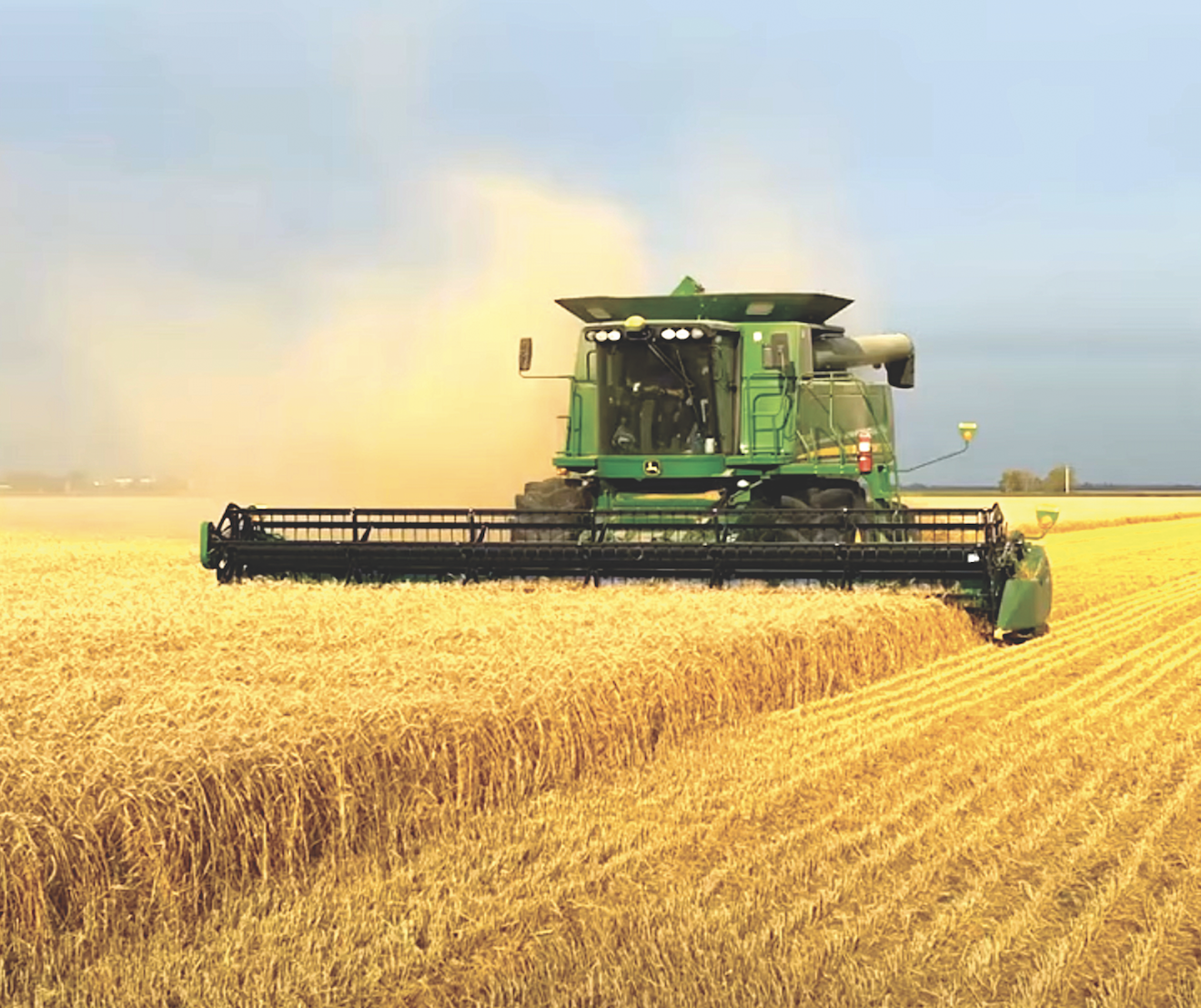
Crop Profitability Update and an Early Look at Profitability into 2026, by Darren Bond, as shared on CropTalk by Manitoba Agriculture on September 10, set the tone for a sharp financial reality check. Harvest in Manitoba rolls forward between rains, frosts, and short dry windows, leaving farmers juggling immediate work and future planning. To ground those decisions, farm management specialist Darren Bond of Manitoba Agriculture urges producers to sharpen their financial focus. He stresses that this season’s margins remain thin and that 2026 decisions begin now.
Bond says profitability hinges on two points: actual numbers and disciplined planning. “Run your own numbers now,” he says. “Replace estimates with actual yields, invoices, and storage costs. Then calculate your break-even per bushel by crop and field. Marketing decisions start from that line.” He reminds farmers that break-even math drives profit, while guessing invites losses.
Current bids underline his caution. Elevators post hard red spring wheat around seven dollars a bushel, canola just under fourteen, soybeans near eleven, and oats at about four. Bond points out that those prices sit lower than opportunities seen earlier in the year. “Harvest prices usually mark the lows,” he says. “That doesn’t mean wait blindly. It means building a cash-flow calendar that matches bills to staged grain sales. If you choose to store grain, make sure you know how you’ll fund operations in the meantime.”
Cash flow is the linchpin. “If you hold wheat or canola waiting for a rally, what pays for fuel, payroll, and fall inputs?” he says. Bond encourages staged sales, some hedging where producers feel comfortable, and close tracking of basis. “You don’t need to sell everything at once, but you need to know what you will sell to meet obligations. Sitting on grain without cash flow is not a plan.”
Bond sees fertilizer as the single biggest driver of 2026 profitability. Urea and anhydrous prices sit above last year’s planning numbers, while phosphorus remains stubbornly high. Grain prices dropped faster than fertilizer, pushing affordability ratios in the wrong direction. “Fertilizer looks expensive because it is,” he says. “That doesn’t mean do nothing. It means manage timing, placement, and sources carefully.”
He recommends producers hedge input costs by splitting purchases and acting early. “Get multiple quotes, buy in tranches, and take advantage of today’s spread between urea and anhydrous,” he says. “Anhydrous carries about a 20 percent advantage right now. Put some down this fall under the right conditions—cool soil, good sealing, correct depth—and you reduce risk, spread workload, and capture efficiency.”
Placement ranks equally high in his advice. “Band phosphorus,” Bond says.
Bond adds, “Max out seed-safe rates in-row and band the balance. Broadcasting in fall, especially with high P prices, burns money.” He calls for banding nitrogen where equipment allows and always checking sulphur levels to protect canola yields. “Don’t let sulphur stunt canola. Sulphur is cheap insurance compared to the yield you lose when it runs out.”
He rejects blanket rate cuts as a solution. “Don’t cut across the farm just to save money,” he says. “Soil test first, zone fields, and target yield expectations. Trim where response is weak, not where yield potential justifies investment.” Bond points out that soil testing costs very little compared to the risk of under-fertilizing profitable acres.
Seed costs also draw attention, especially for canola. Bond notes that many farms now cut seeding rates with modern drills and still hold yield. “Better openers and precision allow lower rates, which reduces lodging and saves seed costs without hurting bushels,” he says. “Seed expense looks steep, but technology makes it manageable.”
He circles back to cash management as the constant theme. “Document a plan,” he says. “Decide in advance how much you will sell at each trigger. Protect yield where it pays, trim where it doesn’t, and build cash flow strong enough to wait for better bids.”
Bond emphasizes that farmers can’t control weather, tariffs, or geopolitics, but they can steer timing, placement, and financial discipline. “You don’t need to be perfect,” he says. “You just need to avoid being completely wrong. Hedge inputs, hedge sales, and stay liquid. That way, you control your farm’s path even in volatile times.”
For Bond, the formula remains simple: clear numbers, targeted inputs, staged marketing, and vigilance. Producers who apply those principles keep businesses steady through volatile years and prepare ground for the next season with confidence. •
— By Harry Siemens