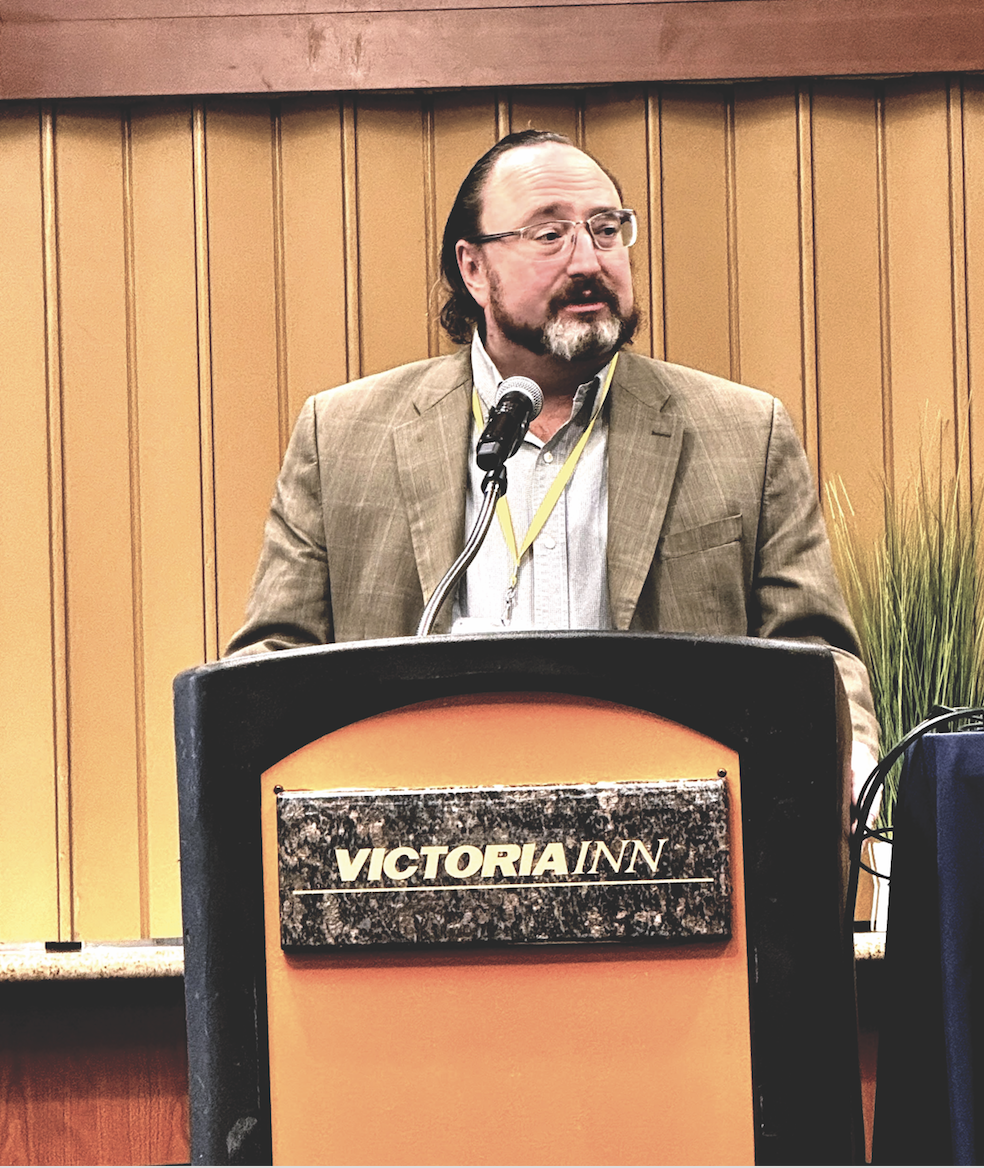
Canada’s pork sector faces constant pressure as producers work to keep pigs healthy, meet rising expectations on animal care, and navigate trade uncertainty. Cam Dahl, General Manager of Manitoba Pork, says farmers must balance these challenges every day while competing in global markets.
He points to the Code of Practice for the Care and Handling of Pigs, last updated in 2014. The National Farm Animal Care Council (NFACC) now leads a full review. Dahl calls the process one of Canada’s greatest strengths.
“The National Farm Animal Care Council is unique in Canada,” Dahl said. “We don’t see a process like this anywhere else in the world, and it is a coming together of research scientists, veterinarians, farmers, as well as some of our retail customers and even some of the nongovernmental organizations involved in animal welfare.”
The Code applies to all farmed animals in Canada and receives updates every five to ten years. Dahl says the review ensures science drives the standards, not public pressure. “About once every five to ten years, we look at the code and say, Hey, is this following the current science, or do we need to update in some places That’s really the process we’re going through now.”
He expects the review to last at least three years, with independent scientists, veterinarians, animal welfare groups, governments, and farmers all involved. “This is a robust process and I expect it to take probably at least three years to get through the review process,” he said.
For pork producers, animal welfare rules tie directly to markets. Canadian pork reaches more than 80 countries, and major customers demand clear standards. Dahl says the Code cannot serve as a public relations tool. “Updating the Code is more than just a public relations exercise. It is the result of a rigorous development process that uses the best science on pig health and welfare.”
Disease prevention creates another daily burden. Porcine Epidemic Diarrhea continues to circulate in North America, while African Swine Fever looms overseas. Canadian farmers and veterinarians enhance bio-security, monitor animal movement, and develop emergency plans. Dahl says producers know the damage a single outbreak can cause.
“Every day our farmers commit to protecting their animals and the industry,” Dahl said. “Bio-security measures matter at every step, from the farm gate to the truck to the processing plant.” Manitoba Pork collaborates with veterinarians, government agencies, and industry partners to enhance surveillance and response capabilities.
Trade uncertainty adds another layer of risk. Canada exports about 70 percent of its pork, with the United States, Japan, China, and Mexico among the top markets. Dahl says tariffs, bans, and political disputes can close borders faster than farmers can adapt. “When a market closes, even temporarily, the impact lands directly on farmers,” he said.
China buys large volumes of Canadian pork, but often shifts policy without warning. Political tensions or disease claims can block shipments overnight. Dahl says producers absorb the shock. “We depend on fair access to export markets. Farmers invest in efficiency, in animal health, and in sustainability, but when politics disrupts trade flows, all of that investment sits on the line.”
At home, Canadian consumers also push for change. They ask about animal care, food safety, and environmental practices. Dahl says farmers accept transparency but want fair competition. “If we ask Canadian farmers to do more, then the system must ensure they can compete,” he said. Competing countries often sell into the same markets with weaker rules, undercutting Canadian producers.
Manitoba alone markets about nine million hogs each year, most going south or into processing plants in Brandon and Neepawa. Pork supports thousands of families and billions in economic activity.
That success also highlights the sector’s exposure: disease, tariffs, or changing consumer demands can hit quickly and hard.
Dahl says collaboration remains the solution. Farmers, processors, veterinarians, governments, and consumers all share responsibility for the industry’s future. “The Code of Practice review shows how Canada can lead. It brings everyone to the table and ensures decisions follow science,” he said. “That model should apply across the board, from animal welfare to disease preparedness to trade negotiations.”
Despite constant pressure, Dahl says optimism drives the sector forward. “Our producers show resilience every day. They understand the challenges, and they also understand the responsibility that comes with feeding people here at home and around the world.”
Canadian pork farmers know the stakes. They manage animal care, protect herds from disease, and advocate for fair trade access while ensuring food remains affordable and safe. The path forward requires science-based welfare standards, strong bio-security, and diversified markets. With farmers at the centre and collaboration across the chain, Canada’s pork industry can stay competitive and trusted on the global stage. •
— By Harry Siemens