Rules change that limit the amount of zinc oxide in nursery pig diets has farmers and nutritionists scrambling to find a replacement for the additive that promotes growth and reduces piglet diarrhea.
“In our humble opinion there is no one-to-one replacement,” said Roger Smith, Canadian Business Manager for Protekta.
Smith said the Modernization of Feed Regulations in Canada regulations that reduce the amount of zinc oxide in pig diets from its current level of 500 ppm to 150 ppm by June 2026 has forced everyone to take a look at their entire feeding operation.
Smith said during the 2022 zero zinc summit in Denmark most of the presenters believed the new rules would need a “multi-factorial approach to control scours.”
“There probably is not one single product to replace zinc oxide. That is why we came out with our profile of products and strategy. This is what we think will get you across the finish line,” said Smith during the Alberta Pork Congress, in Red Deer.
Luckily for Canadian pork producers, European Union farmers have already started to reduce zinc in the diet and Canadian nutritionists can look at the success or failures of European pig producers.
“If you haven’t started investigating nutrition programs that do not include high levels of zinc oxide, you better get on your horse and figure it out.”
While high levels of zinc oxide can reduce scours and promote growth, there are also negative consequences to the product, he said. There was some concern excess zinc, a heavy metal, was being excreted from the diet and accumulating in the environment. It is also believed to spur antibiotic resistance.
Under the new rules, producers must sign off any new custom formula and not have a blanket signature on diets containing zinc.
Michelle Mooney, nutritionist with Alberta Feed and Consulting in Red Deer said they have been working with suppliers and learning about new products that are being used to replace zinc oxide.
“Most feed companies have already started making changes. Luckily we can look to Europe and see what has been successful over there and products are coming from there to here. We’ve looked at the results they’ve had with it and are approaching it with a multi-prong approach.”
Mooney said they will still use the lower amount of zinc in the diet, but will also look at types of protected zinc as well as probiotic and prebiotic products to maintain gut health.
“We are always looking to improve.”
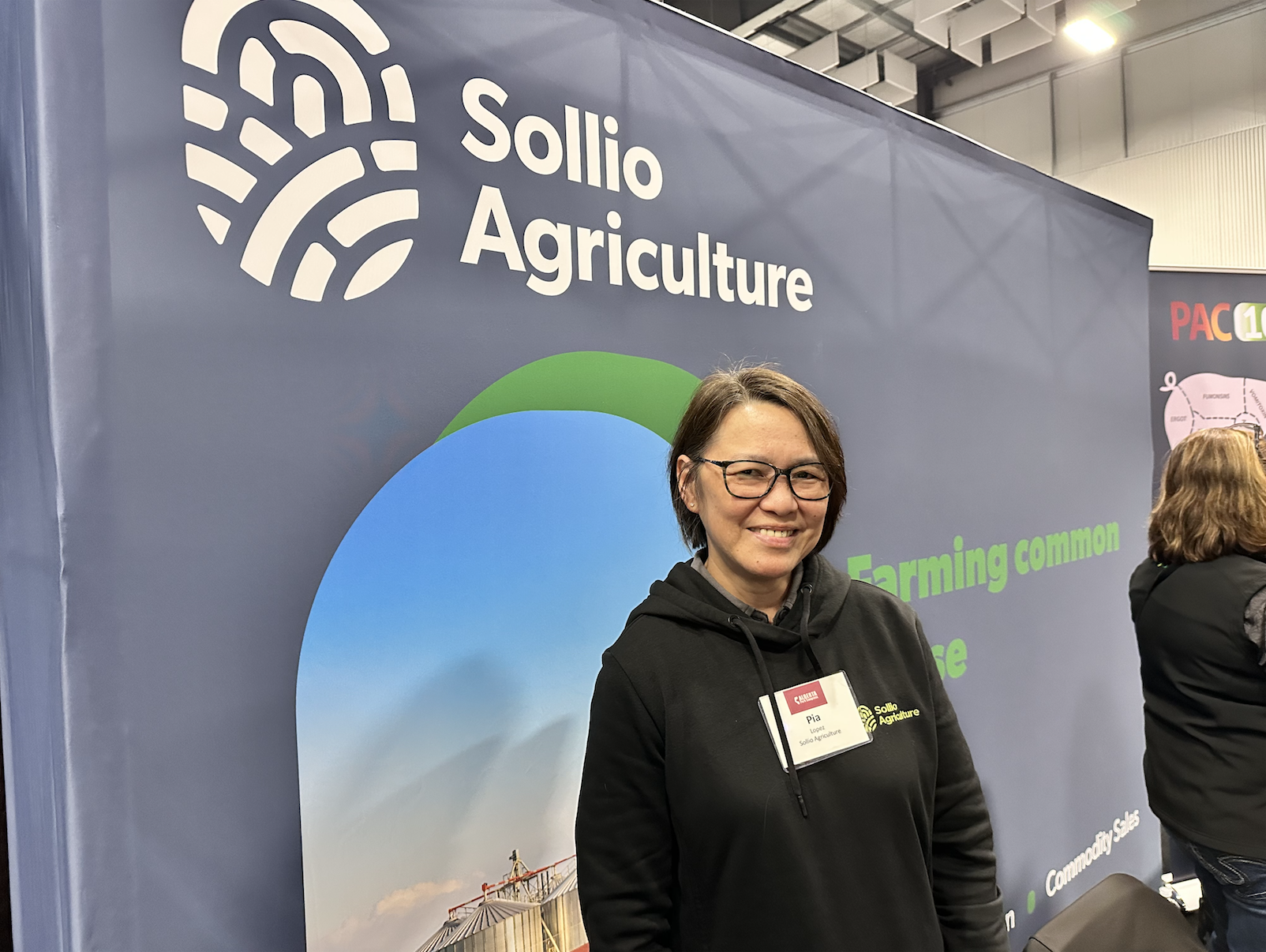
Pia Lopez, swine nutritionist with Sollio Agriculture said they have worked on studies in collaboration with Olymel on how to get the best performance out of pigs with reduced zinc oxide levels.
“We tell our customers that they have to work with us. It is not just feed, you have to get the health status of your pigs up, review vaccinations, if possible to get PRRS negative. Management, the density of pigs in the pen, environment, all of those come into play,” said Lopez, of Steinbach, MB.
Lopez said she has worked for several years with producers to try and find the correct formula for the changed diet.
“If they really are serious and want to be ahead of the game, they will make the changes.” •
— By Mary MacArthur