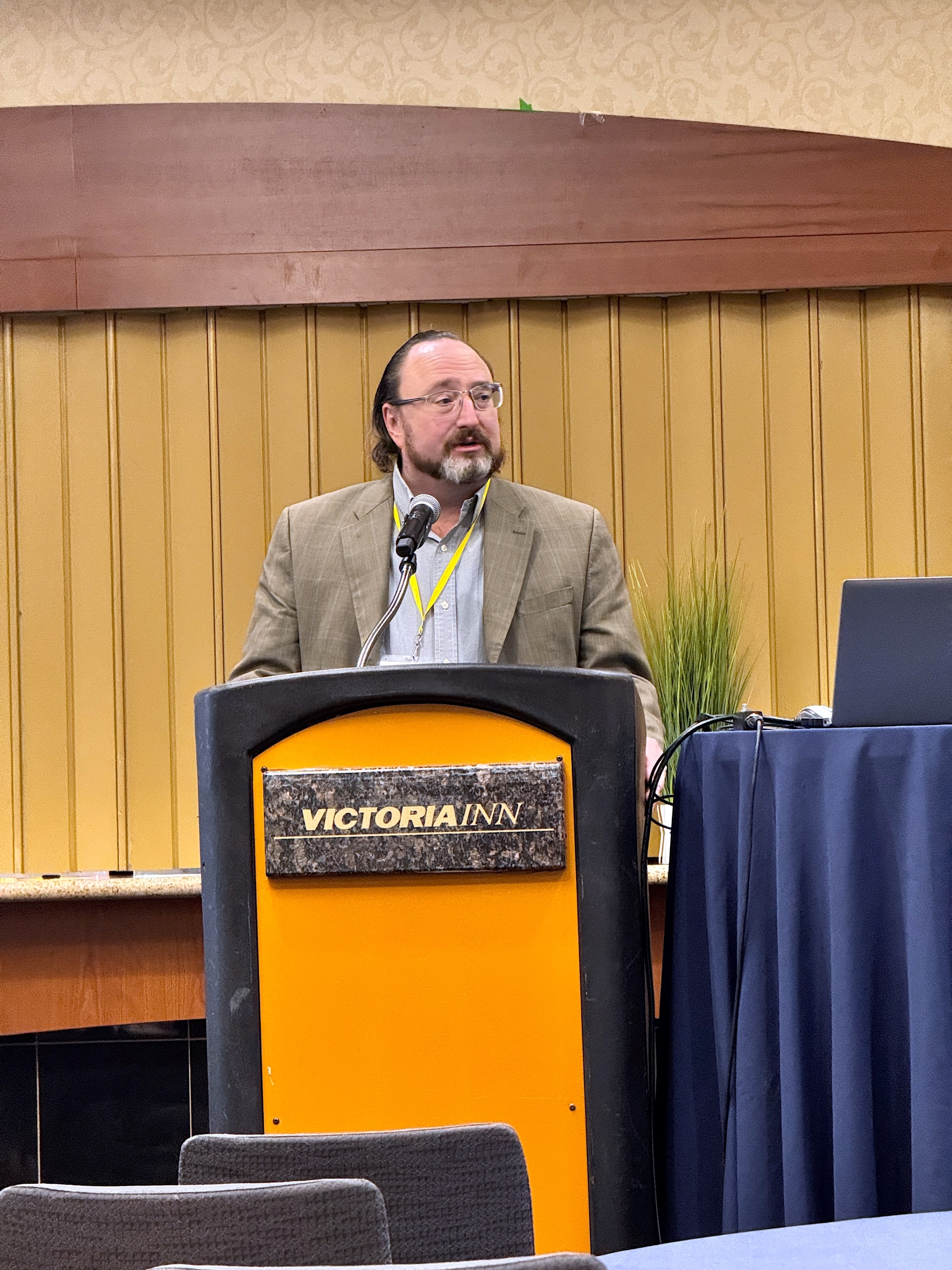
Cam Dahl, GM of Manitoba Pork Council, said the political uncertainty now threatens agriculture more than market fluctuations or input costs.
“Producers have tools to manage things like price changes or input costs. But right now, we don’t know what’s coming—even next week.”
That unpredictability is stalling decisions on everything from production levels to maintenance and investment. “It’s almost impossible to plan. And uncertainty always comes with cost.”
Dahl encouraged farmers to get involved in the federal election by voting and speaking up.
“The easiest way is to attend all-candidates meetings and get to the mic and ask questions.” He recommends producers press candidates on key issues like trade and tariffs. Ask what their party plans to do in the short term to ease the impact of tariffs and what their long-term strategy is if those tariffs stay in place.
He says now is the time for farmers to push for clear answers. These are critical questions; Dahl said Canada’s immediate focus must be on dealing with tariffs from China and the U.S. “We’re in an election, which makes it hard to negotiate. But these threats need to be the top priority.”
He pointed to Europe, where non-tariff barriers continue to block Canadian pork. “We need to double down and remove those to reduce our reliance on the U.S. and open up new markets.”
Dahl said tackling trade issues requires more than political action—it requires teamwork across provinces and ag sectors. “We need a strategic plan. At a minimum, Manitoba, Saskatchewan, and Alberta should work together. We share the same interests.”
He believes producers, industry groups, and governments must join forces regardless of political stripes. “Whether it’s pork, beef, or canola, we can work together on outreach and push for solutions to these trade challenges.”
In a recent column, Dahl compared today’s political moment to the old movie line, “The audience is listening.” Now is the time for agriculture to speak with one voice, starting at the farm gate and carrying through the entire value chain.
Dahl reminds producers that the April 28 election will decide 343 Members of Parliament—including 14 from Manitoba—each with influence over key ag issues. “Every MP will have a role in shaping policies that affect farms, processing, trade, and regulation.”
He said agriculture drives urban and rural economies, with the hog sector supporting jobs across Manitoba.
Dahl said producers should make trade and tariffs their top concern when speaking with candidates. Manitoba exports 90 per cent of its pigs and $9.3 billion in agri-food products. Threats from the U.S., China, and non-tariff barriers in Europe are putting jobs and incomes at risk, and they need action now.
Dahl says political parties must present a clear, actionable plan to address growing trade threats. He encourages producers to ask three key questions when speaking with candidates:
What is your plan to mitigate the impact of tariffs in the short term?
How do you work with trading partners to eliminate tariffs and other trade barriers?
How will you diversify markets for Canadian agriculture?
Dahl stresses that these answers are critical for securing the industry’s future.
Dahl said several critical issues beyond trade need attention. These include reforming agencies like the Canadian Food Inspection Agency, ensuring science-based regulations, and preparing for animal diseases like African Swine Fever and Foot and Mouth Disease. He also urges a shift from punitive measures like the carbon tax to incentive-based support for sustainable practices. Ask the political parties whether they will reform business risk management programs. However, he stressed that no one can proceed without first addressing the immediate trade threats.
Dahl said while agriculture has always dealt with uncertainty, today’s most significant risks are political. These challenges threaten the industry’s long-term sustainability and investment. With the election approaching, he urges farmers to speak up—because if they don’t, others will, and those voices may not truly understand agriculture.
Dahl said it’s not about changing the message but doing a better job of reaching urban Canadians. “The story’s there—we just need to tell it more effectively,” he said. With 22,000 jobs tied to Manitoba’s pork sector, including thousands in cities like Winnipeg, Brandon, and Neepawa, he believes it’s crucial to highlight agriculture’s role in driving jobs, growth, and the province’s economy. •
— By Harry Siemens