Something of an era is coming to an end.
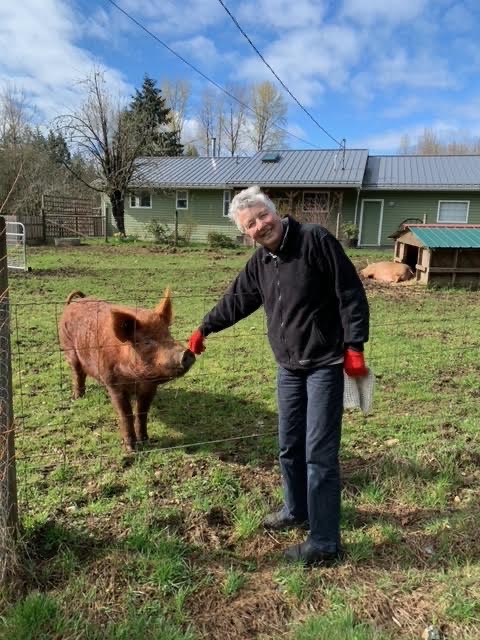
Julia Rylands of Muddy Feet Farm is liquidating the last of her small registered Tamworth herd at Duncan, B.C..
When the last of her stock goes it may be the last herd of Tamworths west of Ontario.
Rylands admitted the decision to get out of pig production in general and Tamworths in particular was “huge. It was a really difficult one (decision). I really didn’t want to do it.”
That said, Rylands explained her core stock was aging, and to go out and bring new bloodlines – likely from half-way across the continent did not make a great deal of sense.
“I just didn’t have another 10 years to do this . . . And no one to leave it to,” she said.
But Rylands said her body and eventually her mind too, was telling her it was time to do it based on the workload of raising pasture pigs, adding she had some neighbours and friends “help me to a sensible decision.”
For those unfamiliar with the Tamworth they are actually a very old breed which once had substantial numbers in Canada.
“Tamworth made up 10 per cent of the Canadian swine population until the 1950’s, when modern production methods, which the breed is not suited to – meant a steady decline in their numbers,” explains heritagelivestockcanada.com
The site also noted “registered, purebred, Tamworth are precariously close to becoming extinct in Canada – thankfully we have some dedicated breeders who are determined to see the breed survive. With a status of ‘critical’ in this country, Tamworth are also internationally rare.”
The loss of the Muddy Creek Farm herd will further lower numbers.
“Tamworth originated in their ‘modern’ form on the Drayton Manor Estate of Sir Robert Peel, situated in Tamworth, Staffordshire. The breed is considered to be one of the oldest in terms of swine,” again notes the HLC site.
“A medium sized pig, Tamworth are ideally suited to less intensive farming methods and have been noted as being particularly effective foragers. An inquisitive pig in nature, the temperament of Tamworth is docile. Their winter hardiness is also a major attribute in our Canadian winters.”
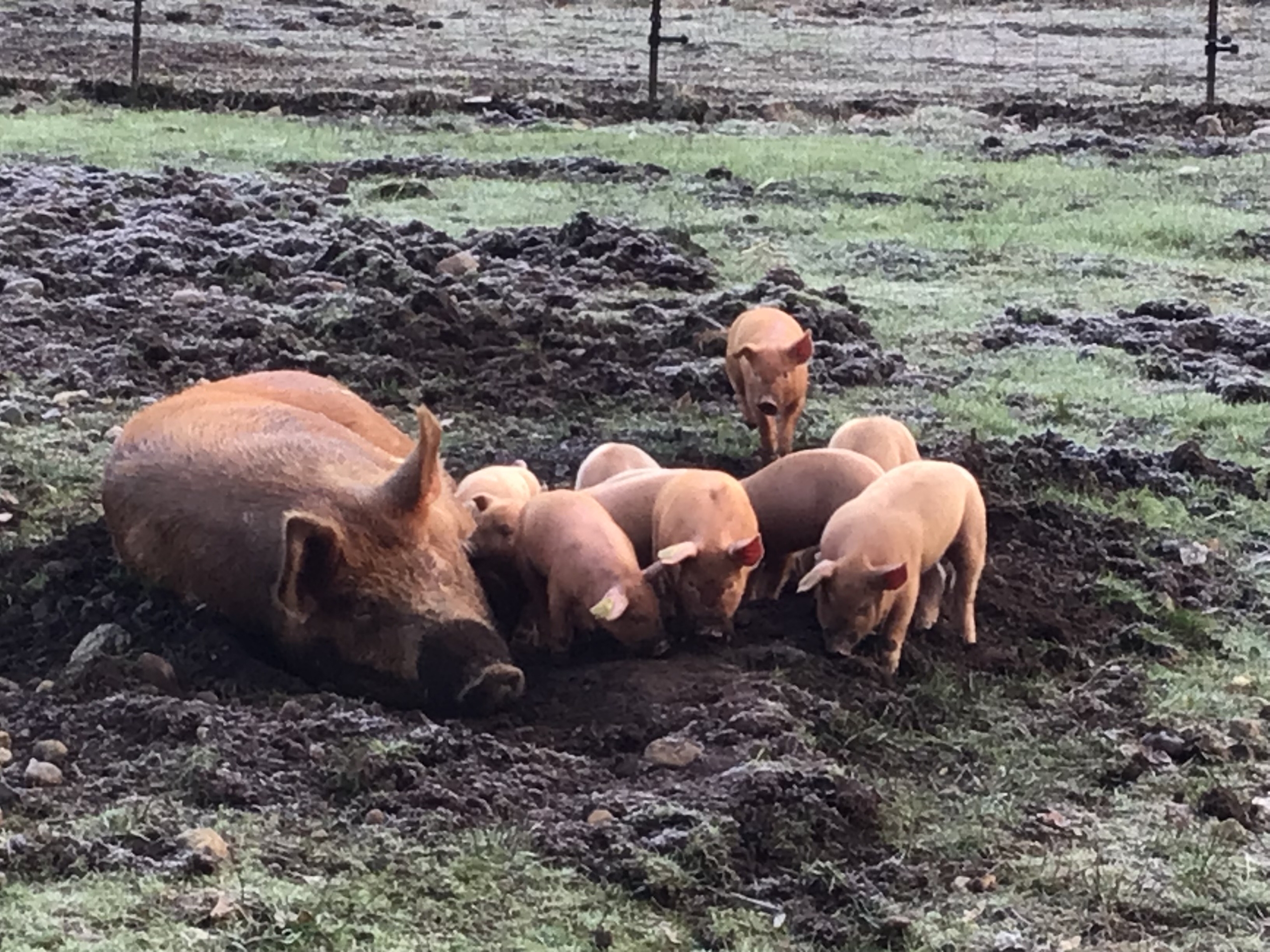
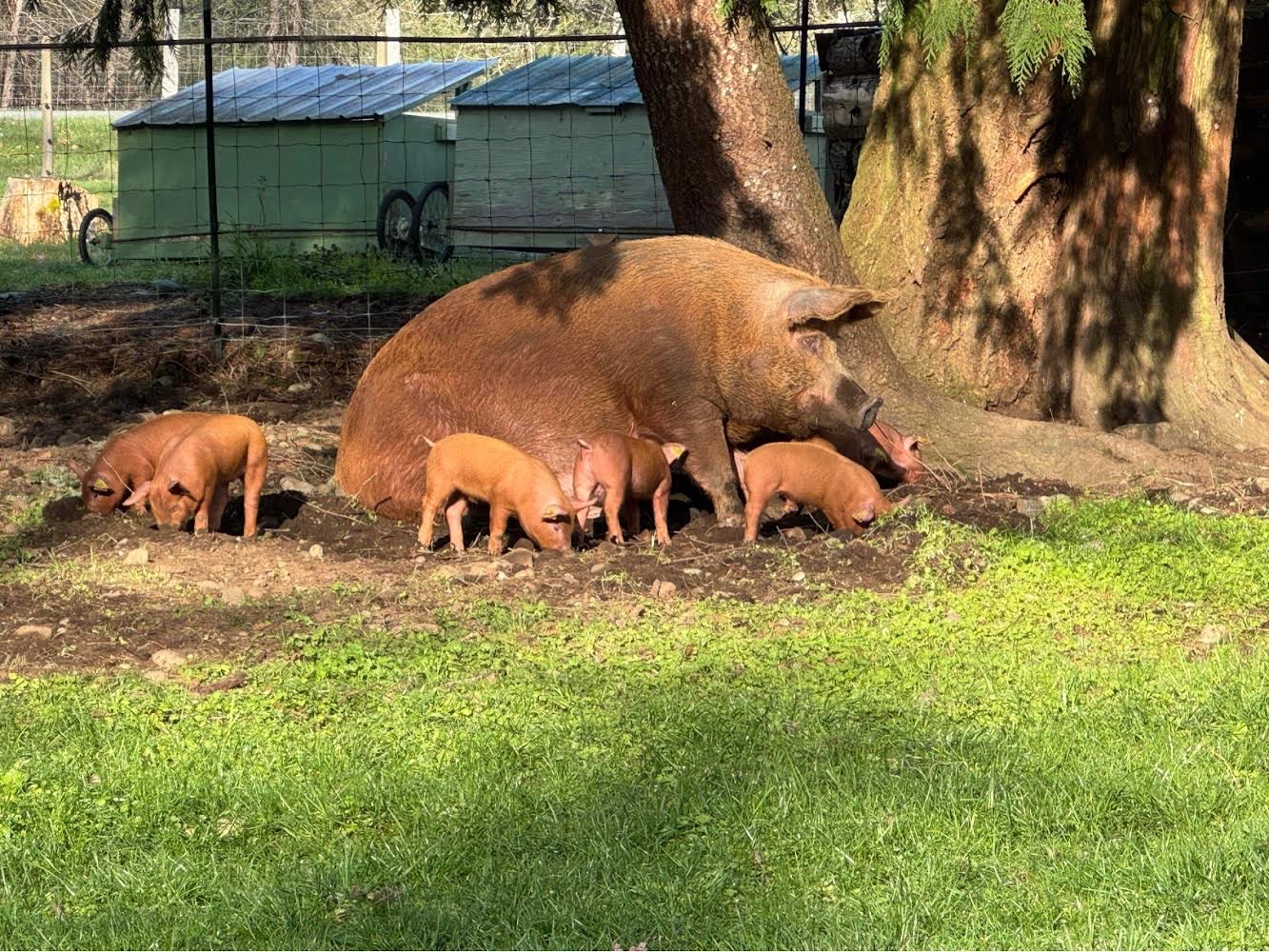
Rylands said the Tamworth are the breed that she eventually settled on after some exploration having also raised a few Berkshire, Red Wattle, Large Black and Ossabaw.
Rylands said she was drawn to coloured and heritage breeds because she was interested in getting away from the way pigs are generally farmed today – a system she said is essentially “pink pigs living in barns.
“I wanted a different way of doing it.”
Rylands, who grew up in Britain and emigrated to Canada as a scientist, sort of always knew one day she might farm. She said as a young girl she grew up as a neighbour to a sheep farmer and was often there helping to lamb difficult births because she had smaller hands than the farmer.
“I basically got addicted at the time,” she said.
When finally acquiring her small farm about a decade ago, pigs won out over the remembered sheep though.
“Sheep are a challenge sometimes,” she said, adding “I just really took to pigs. They’ve got character.”
So why Tamworth?
“I really think their meat is superior to some of the others,” Rylands told Prairie Hog Country.
For the most part Rylands’ stock roam pastures, although the barn is open for those farrowing to chose should the sow want to be indoors – almost all have opted for the shelter over the years, she added.
The meat has been marketed locally to a generally long-standing group of customers.
“Most of them have been with me from the beginning,” said Rylands.
While Rylands is moving out of the business, she remains supportive of the Tamworth.
“I’m really committed to the Tamworth,” she said, adding she really hopes the breed doesn’t disappear completely in this country, that others “will carry on with it.” •
— By Calvin Daniels
Photos supplied by Rylands